LinkedIn AI Slop: Content Strategy for 2026
Your content might be TOO clean.
And in October 2026, that can literally become a reach problem.
LinkedIn now has a button called:
“Seems like AI slop.”
More than 1 million people used it shortly after launch.
LinkedIn says views of content it classifies as AI slop have already dropped by around 40%. (LinkedIn’s update)
The issue is generic substance, not neat formatting by itself. LinkedIn’s definition focuses on content that lacks a clear point of view, unique perspective or substance.
So yeah.
That perfectly formatted post with:
“Here are 7 lessons I learned…”
“Here’s the truth…”
“The key takeaway?”
“Save this for later.”
…and a motivational sentence after every three lines?
People are getting extremely good at smelling it.
And platforms are starting to care too.
We are entering the anti-slop era of social media
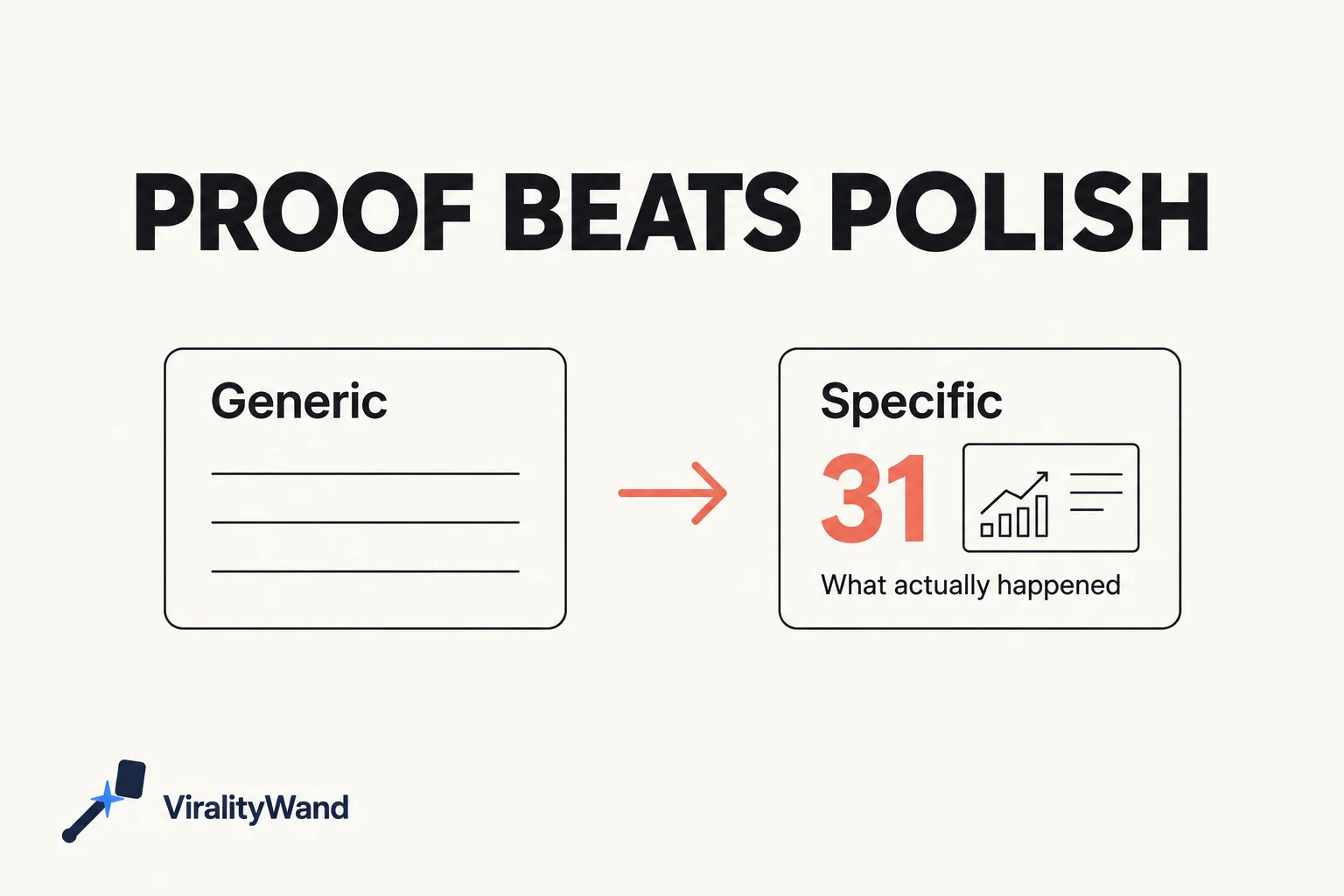
AI made decent-looking content almost free.
Which means “decent-looking” became much less valuable.
The scarce things now are:
specificity
proof
taste
weird observations
actual screenshots
actual failures
numbers
opinions someone could disagree with
information that clearly came from doing something
Look at these two posts.
POST A:
Consistency is crucial when building your personal brand.
Focus on providing value, engaging your audience and staying authentic.
Remember: success doesn’t happen overnight.
Technically fine.
Also completely disposable.
POST B:
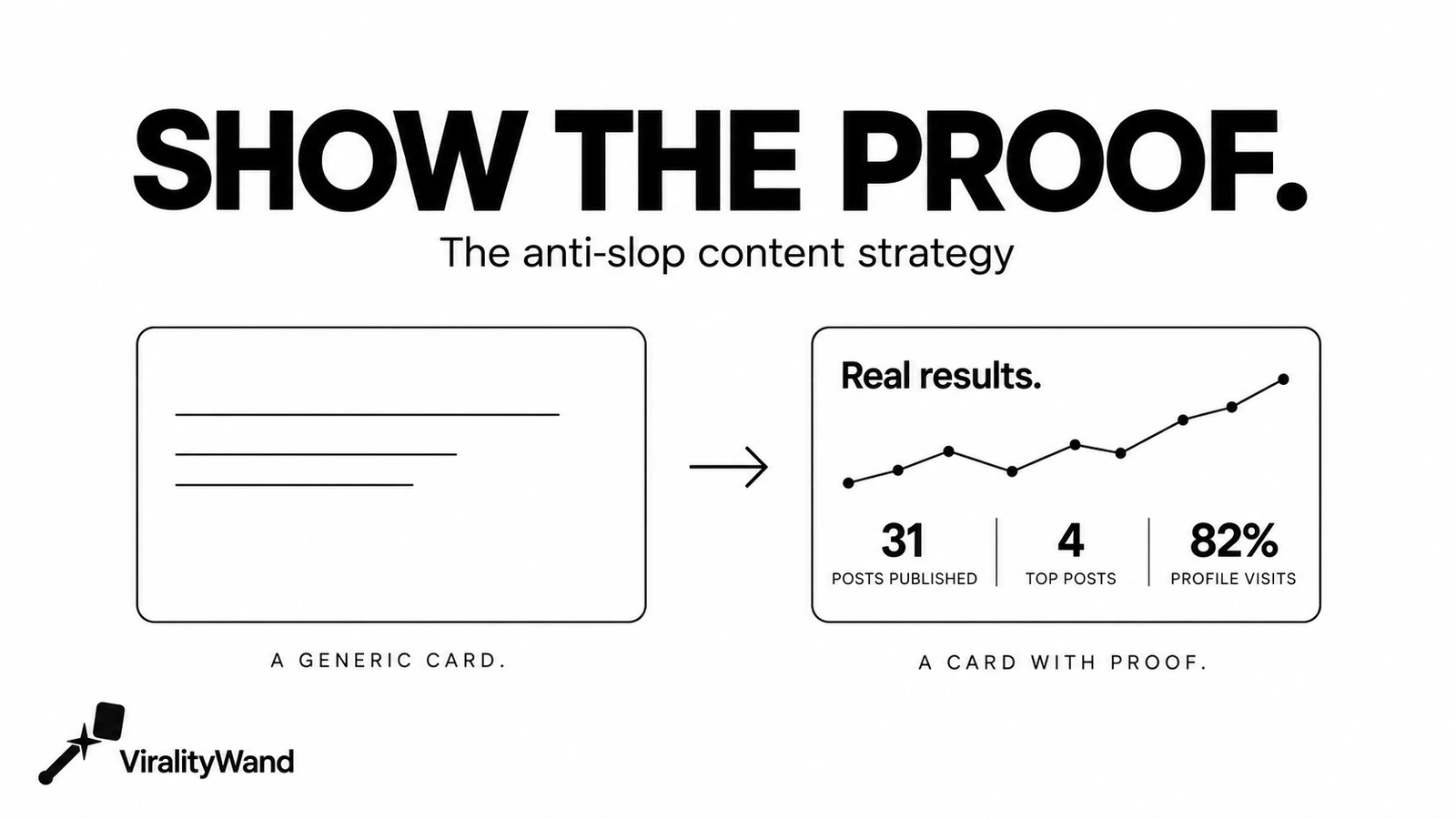
We published 31 posts last month.
4 produced 82% of our profile visits.
Weirdly, none of those four were our “educational” posts.
They were screenshots of things we had actually built.
Now there is something to look at.
Specific number.
Unexpected result.
Proof.
A reason to continue reading.
Here is a very simple 2026 content test
Before publishing, remove your company name and profile photo.
Then ask:
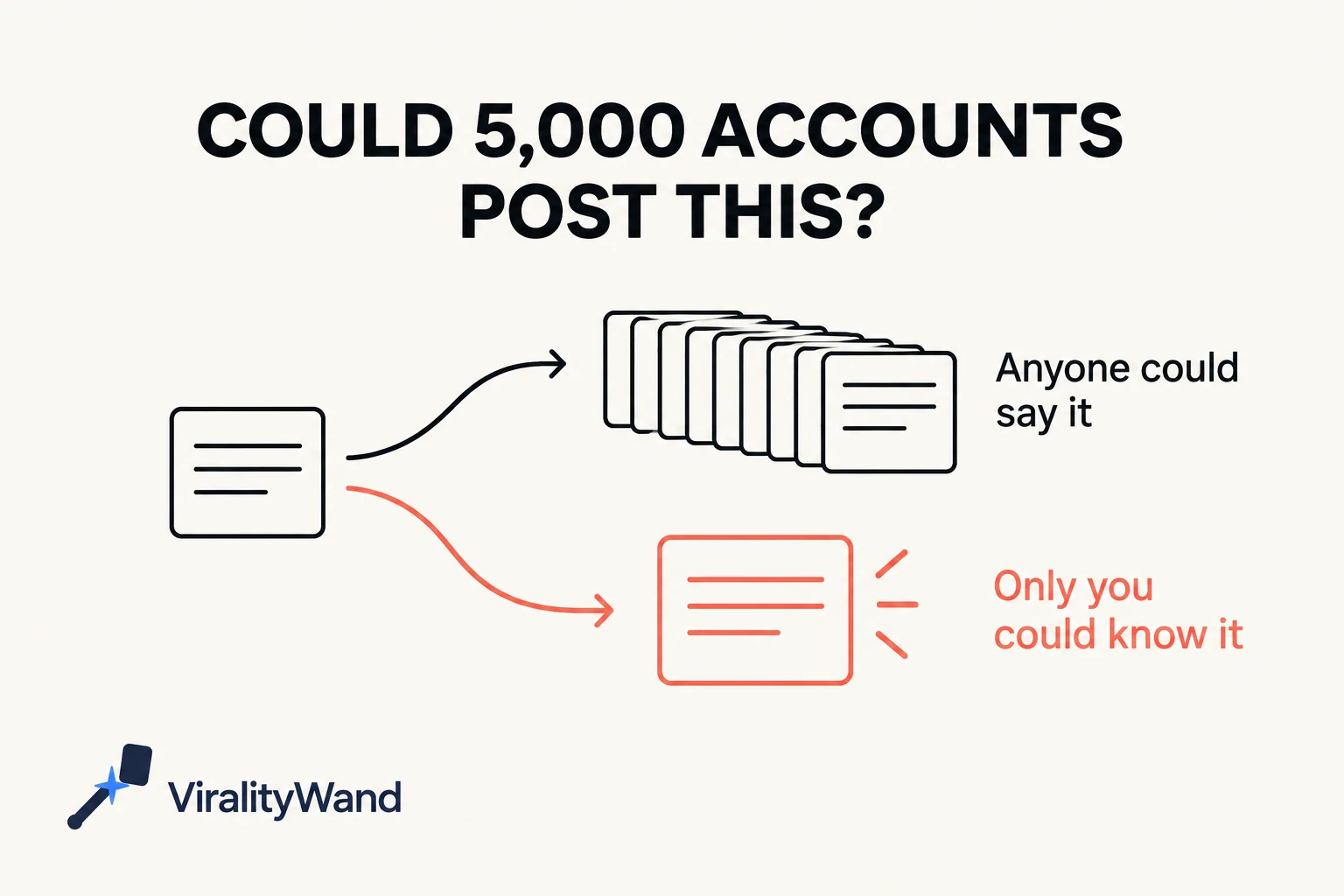
Could this exact post have been published by 5,000 other accounts?
If yes, it probably needs another round.
Add something only YOU could reasonably know.
For example:
❌ “AI saves marketers hours every week.”
✅ “We stopped manually writing carousel variations after testing 47 of them. The AI versions were faster, but hooks written from customer comments still won.”
❌ “Understanding your customers is important.”
✅ “Our customers kept calling the feature ‘automatic screenshots’. Nobody on our team called it that. Guess which phrase went on the landing page.”
❌ “Experiment with different hooks.”
✅ “We posted the same idea three times. ‘5 ways to…’ died. ‘We wasted $600 on…’ got 11× more shares.”
You immediately have a better post.
Use AI backstage
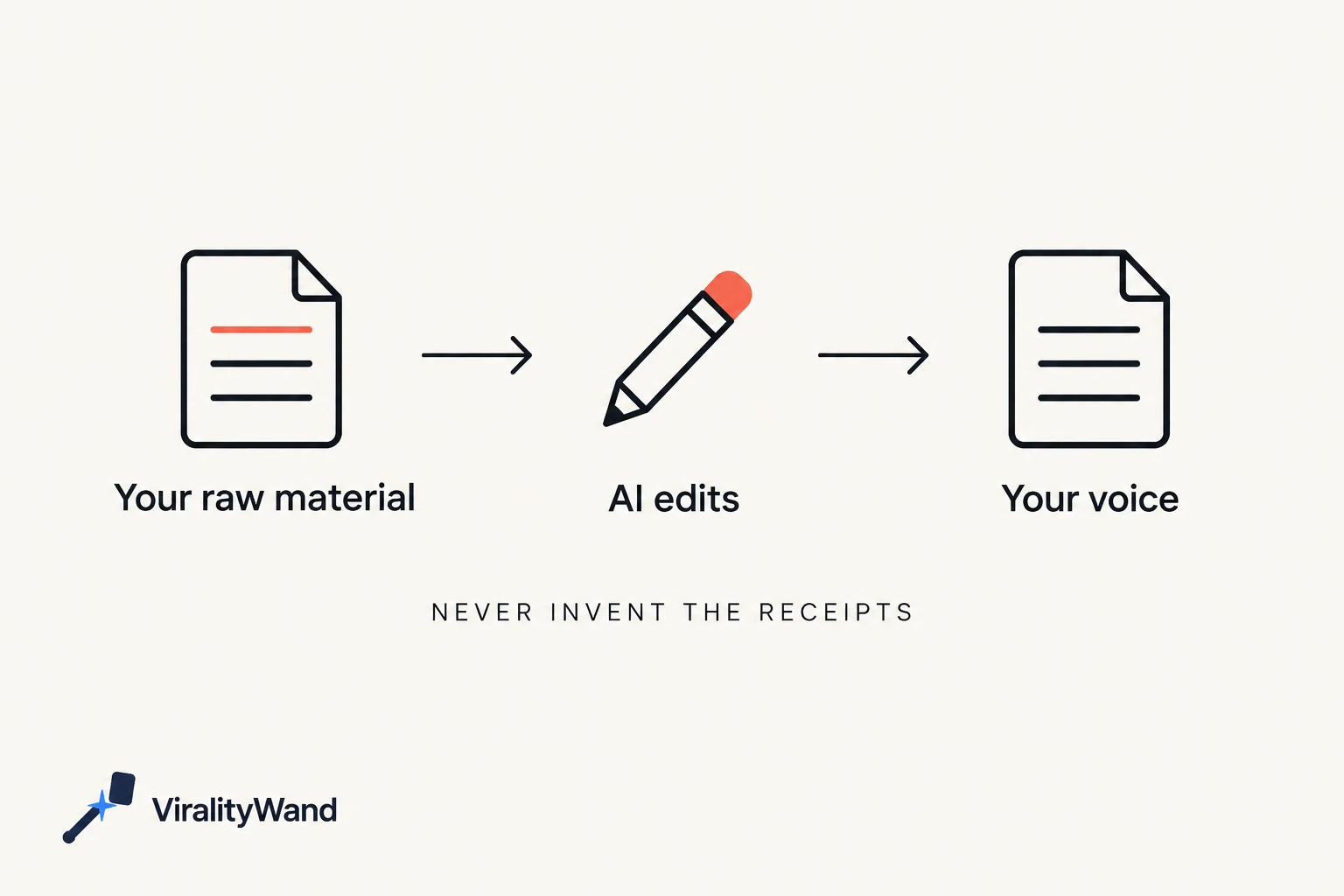
AI is still insanely useful for content.
Just stop asking it:
Write me a viral LinkedIn post about [topic].
That prompt practically asks for slop.
Give it your raw material first.
Use this instead:
Here is my raw material:

[PASTE NOTES / TRANSCRIPT / NUMBERS / CUSTOMER COMMENTS / OPINIONS]

Turn this into a social post.

IMPORTANT:

Do not invent experiences, numbers or opinions.

Preserve unusual wording and specific details from the source.

Delete generic introductions.

Delete generic conclusions.

Avoid motivational language.

Avoid phrases such as:
- here's the truth
- the key is
- game changer
- in today's fast-paced world
- let that sink in
- it's not X, it's Y

Do not make every paragraph the same length.

Do not force everything into groups of 3.

Do not add lessons that are not present in the original material.

Prioritize:
1. surprising concrete details
2. numbers
3. mistakes
4. screenshots/examples
5. opinions
6. useful information

If the source material is too generic to make an interesting post, DO NOT manufacture one.

Instead tell me exactly what additional evidence, example or opinion I should provide.
That last instruction might save half the internet.
There is another trend worth watching: ZERO-CLICK content
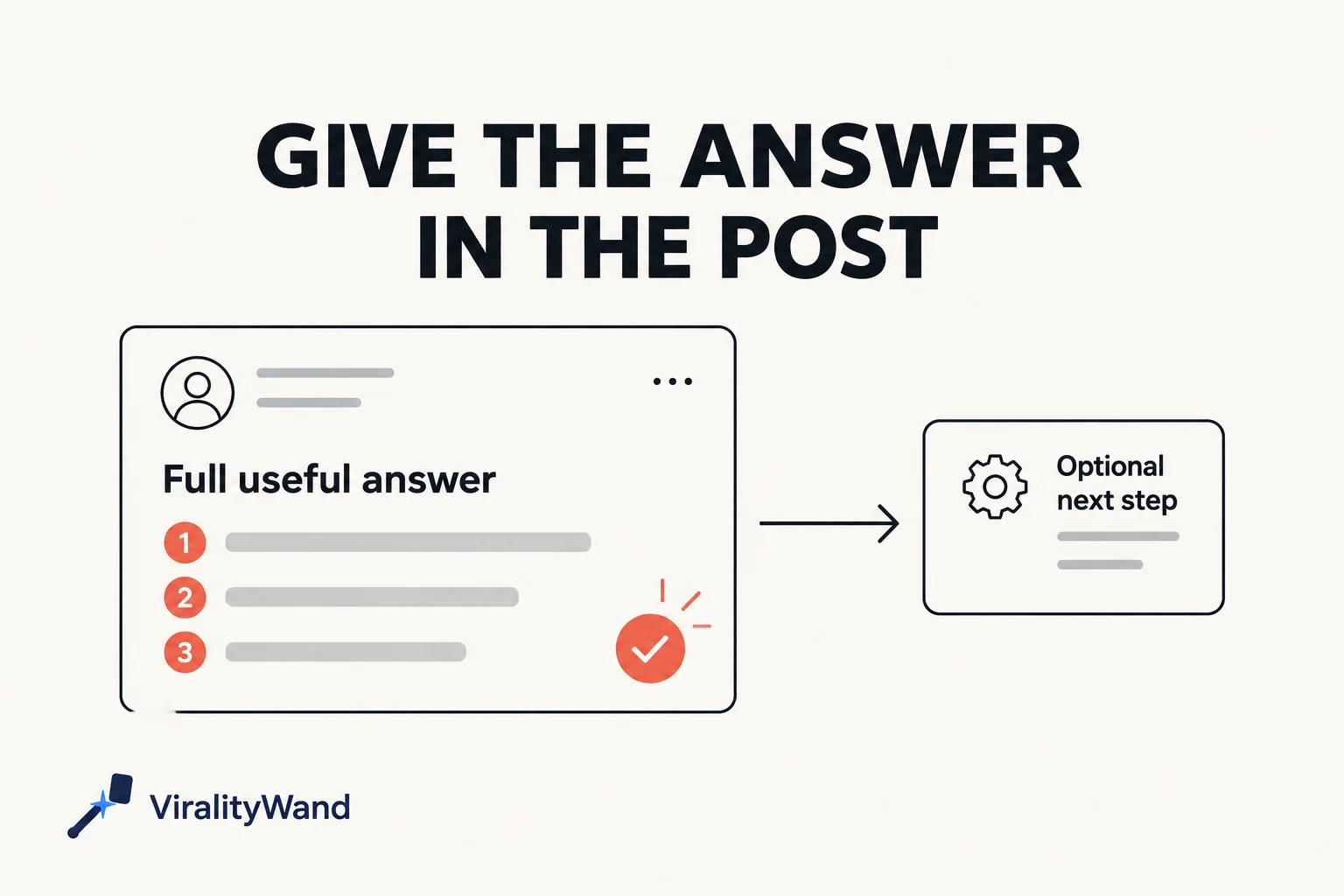
This term is getting much louder again in 2026.
The basic idea is ridiculously simple:
Give people the useful part directly inside the post.
Don’t write:
We analyzed 100 landing pages and found 7 common mistakes.
Click the link to discover them 👇
Just give them the mistakes.
Socialinsider’s recent LinkedIn analysis found that posts without links slightly outperformed linked posts for native documents and multi-image posts. Single-image posts tied, while video did better with links. Native documents produced the strongest engagement in that dataset. (Socialinsider’s analysis)
This doesn’t mean websites suddenly became useless.
It changes what the website should contain.
SOCIAL POST:
actual useful answer
↓
PROFILE / BRAND
more proof
↓
WEBSITE
tool, template, dataset, calculator, full research, product
↓
LEAD
The post shouldn’t be an advertisement for the information.
The post should contain the information.
Then your product gives people the next step.
And SOCIAL SEARCH is getting bigger
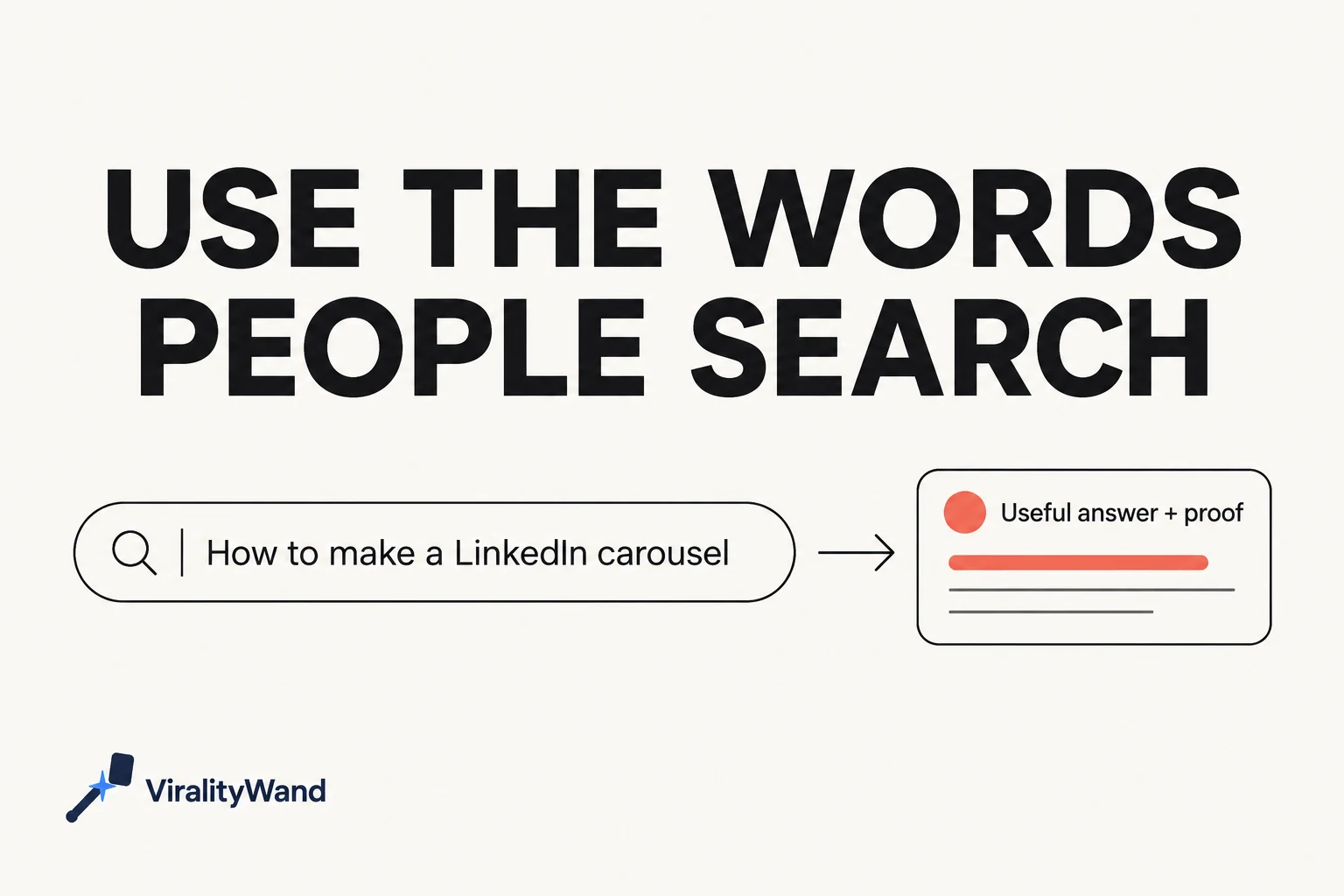
People increasingly use TikTok, Instagram, YouTube, Reddit and LinkedIn while researching something.
TikTok literally has Creator Search Insights, showing creators subjects people are actively searching for, and the platform continues expanding search and discovery functionality. (TikTok’s explanation)
So stop naming posts like magazine articles.
Instead of:
“Thoughts on the changing creative landscape”
Try:
“Best AI carousel tools in 2026: we tested 7”
Instead of:
“Our approach to modern content”
Try:
“How to make a LinkedIn carousel that people actually save”
Instead of:
“Some lessons from our latest campaign”
Try:
“Why our TikTok ads stopped converting after 3 weeks”
Use the words someone would actually type into search.
Then earn the click/view with something interesting.
So here is the October 2026 formula
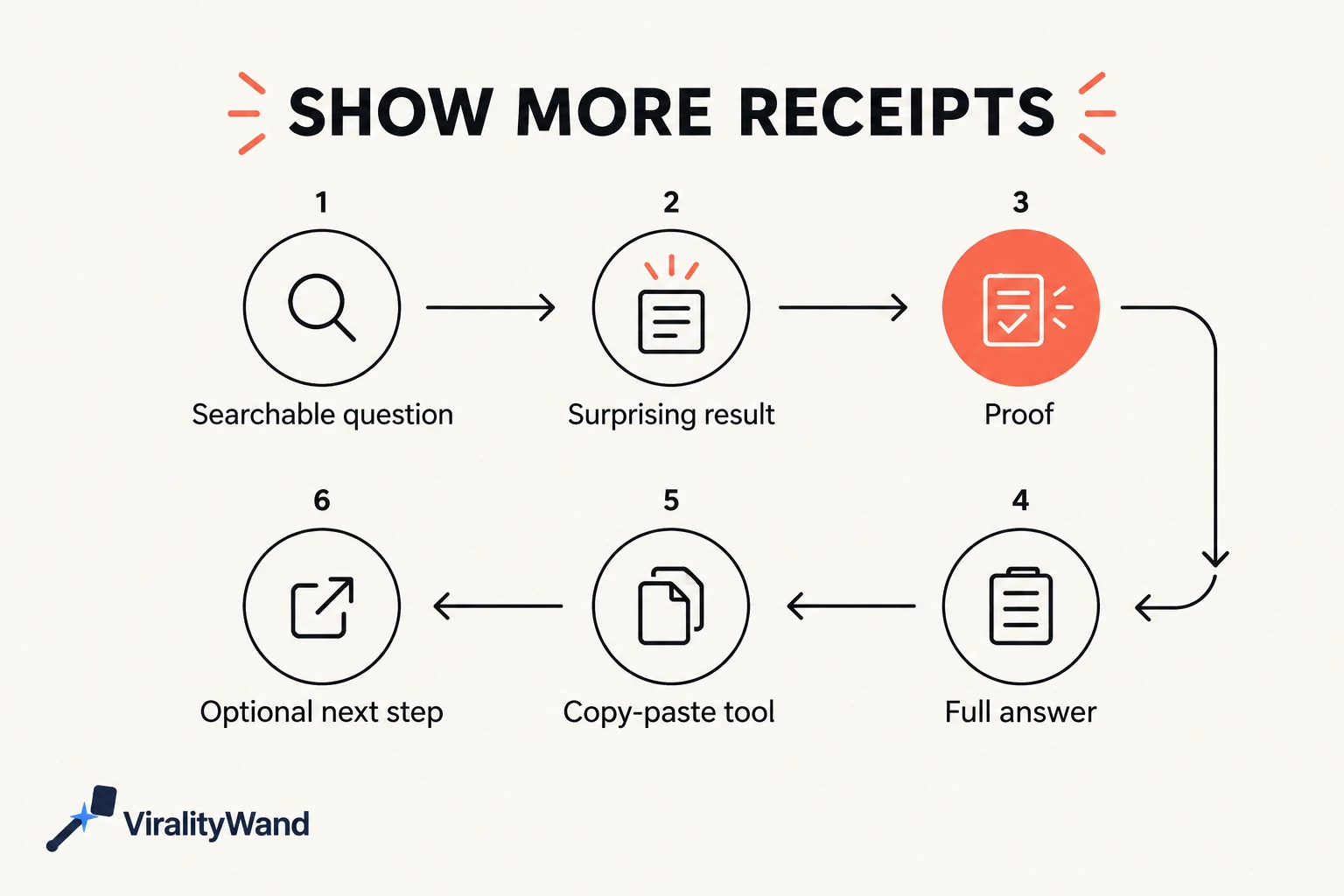
SEARCHABLE QUESTION
↓
STRONG OPINION / SURPRISING RESULT
↓
PROOF
↓
FULL USEFUL ANSWER
↓
COPY-PASTEABLE TOOL
↓
OPTIONAL NEXT STEP
And perhaps the easiest content strategy for the next few months is simply:
Show more receipts.
Screenshots.
Before/after.
Numbers.
Failed tests.
Customer language.
Experiments.
Actual workflows.
Tiny discoveries.
Things that happened this morning.
We have reached a slightly funny point where producing polished content takes seconds.
So the messy screenshot showing something actually happened can sometimes be more interesting than the beautiful 12-slide carousel explaining “5 keys to authentic brand storytelling”.
And yes, we appreciate the irony of writing a post about this.
It feels good to have your first carousel going viral 😏
Just your idea, click-clack and voila! ViralityWand made just for that
A few clicks. Ready to edit and post.