Grow on Instagram, TikTok and LinkedIn This October
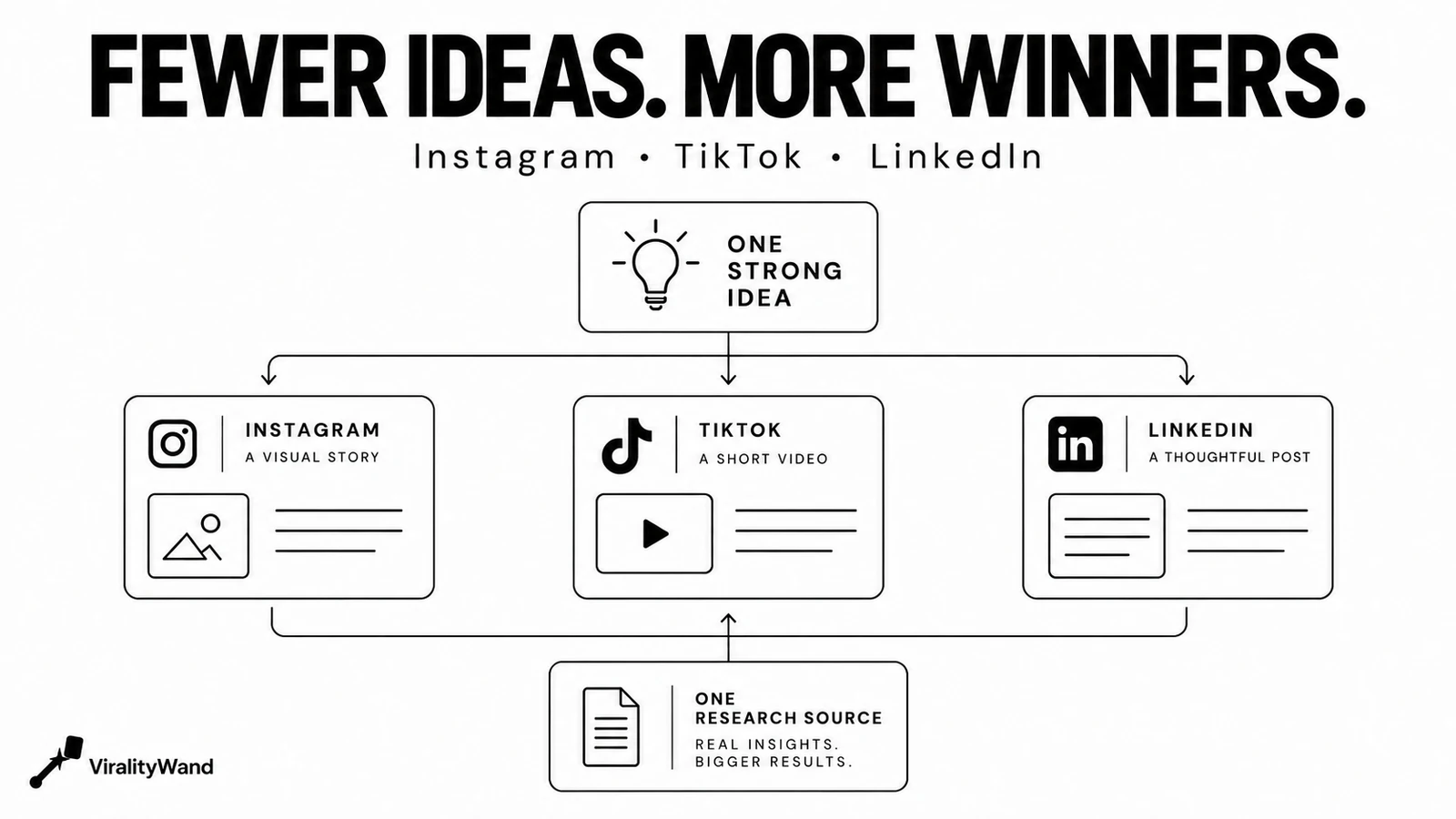
If you’re trying to grow on Instagram, TikTok and LinkedIn this October, producing MORE content is probably the wrong target.
A better target is getting more winners from fewer good ideas.
Because platforms are getting pretty aggressive about generic content.
LinkedIn says it has already reduced views of content classified as AI slop by 40%. Instagram keeps pushing originality harder. TikTok’s own 2026 trend report describes people using the platform in full discovery mode: searching, comparing, validating and trying to get some actual return from the time they spend scrolling. (LinkedIn’s update, Instagram’s originality guidance, TikTok Next 2026)
And there is another interesting thing happening.
Buffer’s 2026 report draws on 52M+ posts. Instagram carousels had a 6.9% median engagement rate, compared with 3.3% for Reels, although Reels still won on reach. LinkedIn document carousels reached 21.77% median engagement, versus 7.35% for video. TikTok was almost the opposite: video had 3.39% median engagement versus 1.92% for photo/carousel posts. (Buffer’s report)
These are historical results from Buffer-posted content, not October 2026 platform-wide benchmarks. The report primarily uses 2025 data, with some format studies using earlier windows. Engagement definitions also differ across platforms, so compare formats within a platform rather than treating the percentages as a cross-platform leaderboard.
So the same research can absolutely feed all three platforms.
Just don’t blindly publish the same thing everywhere.
1. Start with ONE idea that has enough meat for three platforms
Bad:
“5 productivity tips”
There are probably 800,000 versions of this already.
Better:
“I removed 6 AI tools from our workflow. These 3 survived.”
“We spent $4,000 testing AI landing page tools. Here’s where the money actually went.”
“We analyzed 100 SaaS homepages and found the same stupid mistake on 63 of them.”
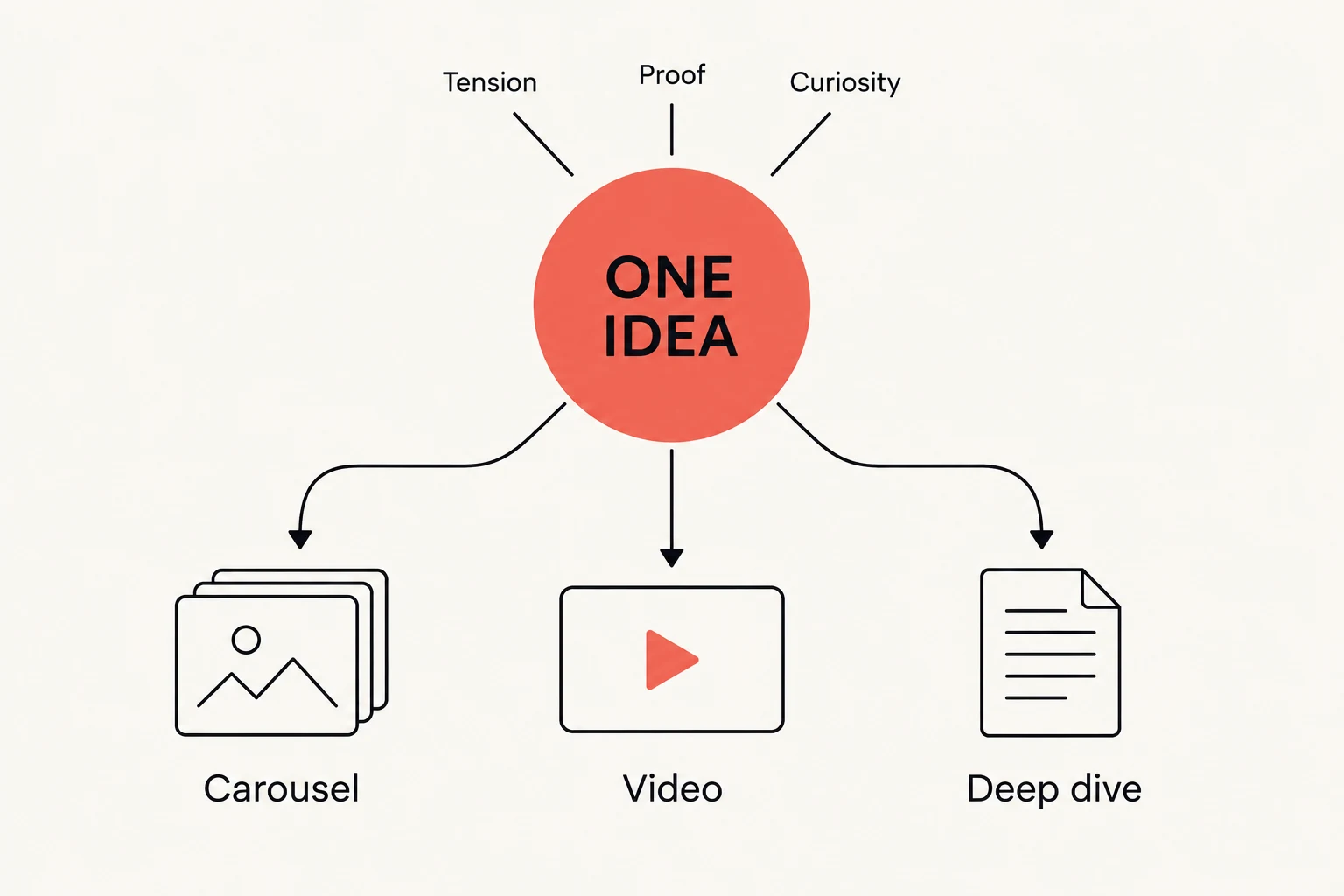
You already have tension, proof and curiosity.
Now adapt it.
Instagram becomes a highly sendable carousel.
TikTok becomes a 20–45 second video where the result/problem appears basically immediately.
LinkedIn becomes a document carousel or detailed post with actual experience, numbers, screenshots and opinion.
Same research. Three executions.
2. On Instagram, optimize for “I need to send this to someone”
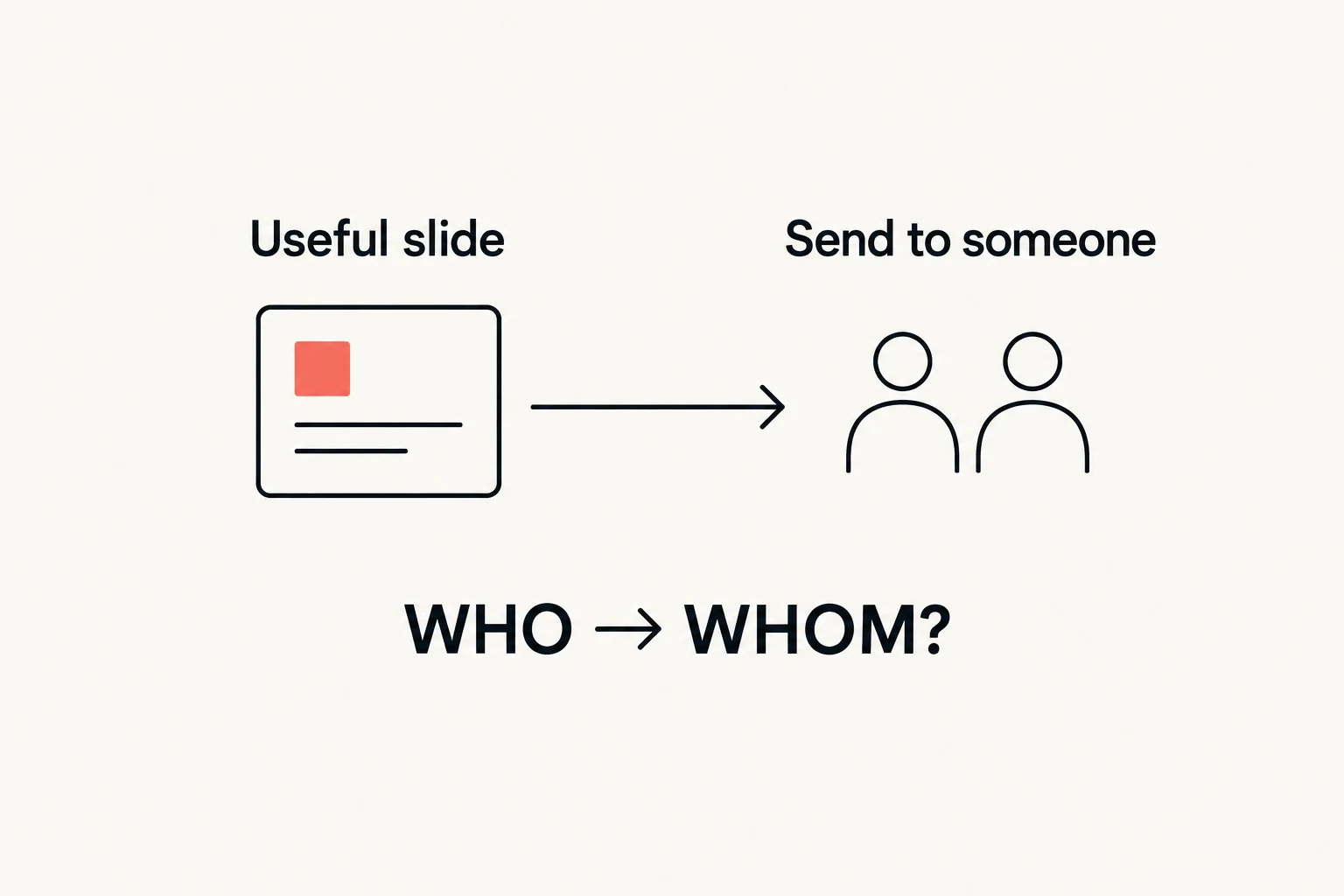
Instagram has repeatedly highlighted watch time, likes and sends as important ranking signals, with sends especially useful for reaching people who don’t already follow you. (Adam Mosseri’s ranking explanation)
So before publishing a carousel, ask:
WHO exactly would send this to WHOM?
If there is no obvious answer, the idea probably still needs work.
A useful carousel structure:
Slide 1: strong claim / unexpected result
Slide 2: make the problem painfully recognizable
Slide 3: evidence, screenshot, number or example
Slide 4–6: actual useful stuff
Slide 7: something copy-pasteable
Slide 8: mistake / warning / unpopular opinion
Slide 9: screenshot-worthy summary
Slide 10: next step
And deliberately make at least ONE slide useful enough that somebody could screenshot it without needing the other nine.
For example:
DON’T WRITE:
“Create engaging content that resonates with your target audience.”
Nobody is sending that to anybody.
WRITE:
“Before publishing, ask: would someone send this to one specific friend with ‘this is literally you’?”
Much stronger.
Use this prompt:
I want to create a highly shareable social media carousel about:

[TOPIC]

Audience:
[AUDIENCE]

Our actual opinion / experience / evidence:
[PASTE IT]

Create a 9-slide carousel.

Rules:
- Slide 1 must create curiosity without clickbait.
- No generic advice.
- Every slide should add new information.
- Include at least one specific number, example, screenshot idea or concrete case.
- Include one slide people would want to screenshot/save.
- Include one point people would naturally send to a colleague/friend.
- Use simple English.
- Maximum 25 words per slide.
- Avoid generic AI wording, inspirational filler and fake controversy.
- The final CTA must naturally continue the topic instead of begging for engagement.

Give me 5 radically different Slide 1 hooks first.
3. TikTok is not Instagram with movement
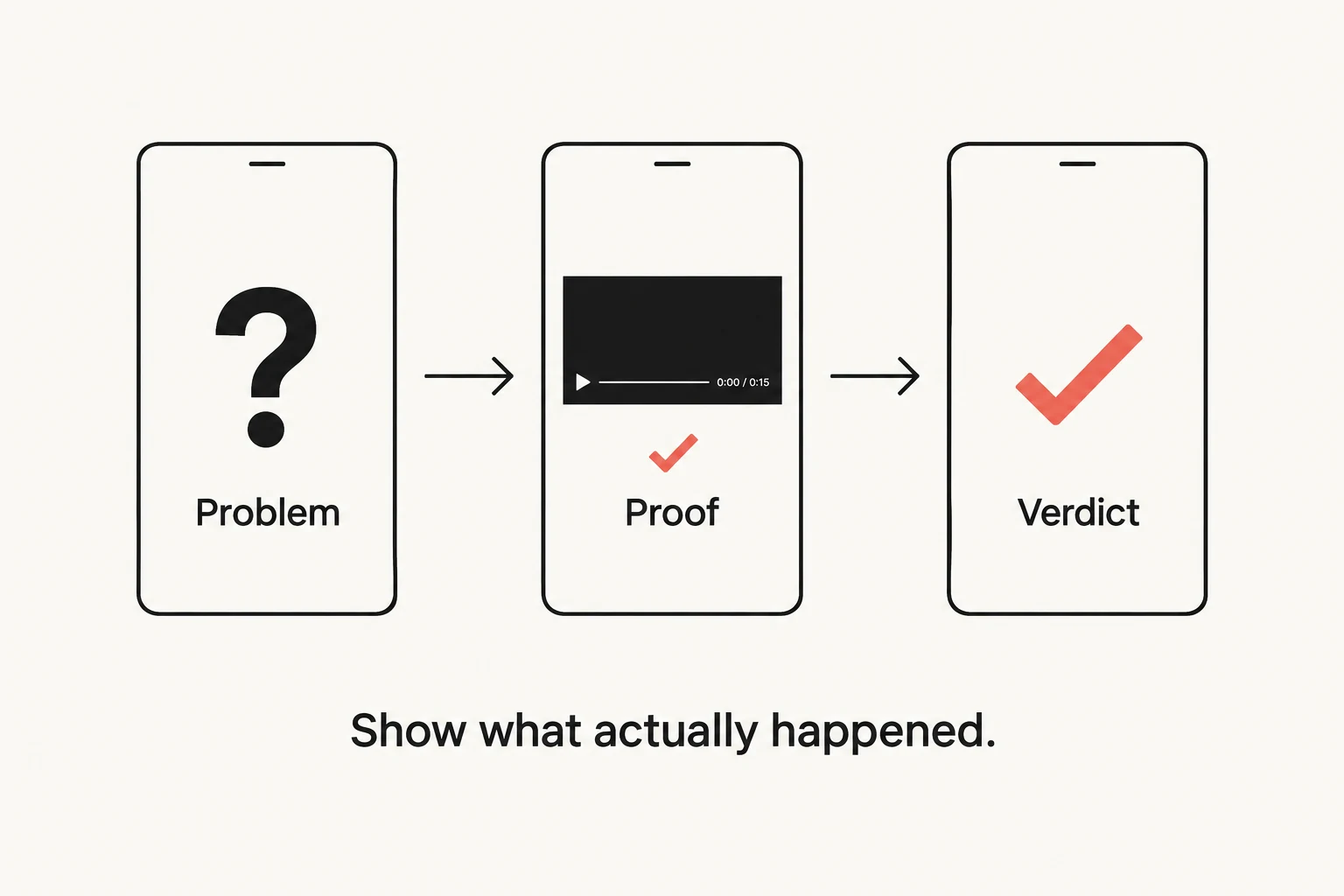
TikTok is becoming more and more useful as a discovery/search/validation machine.
People see something somewhere else, then search TikTok to see what it actually looks like, how someone uses it and whether it’s worth their time or money.
That changes the content.
Instead of:
“3 marketing tools you need 🔥”
Try:
“I tested the 3 AI tools people keep recommending for landing pages. Here’s the one actually worth paying for.”
Now you have searchable terms AND a reason to stay.
Show the product.
Show the screen.
Show the mistake.
Show the spreadsheet.
Show the ugly first version.
Proof is becoming extremely valuable.
And October is especially useful if you sell something.
Don’t wait until Black Friday to suddenly start producing Black Friday content.
October is for testing:
3 hooks
× 3 angles
× 2–3 formats
Then November gets the winners.
4. On LinkedIn, delete anything that sounds like ChatGPT trying to become a motivational speaker
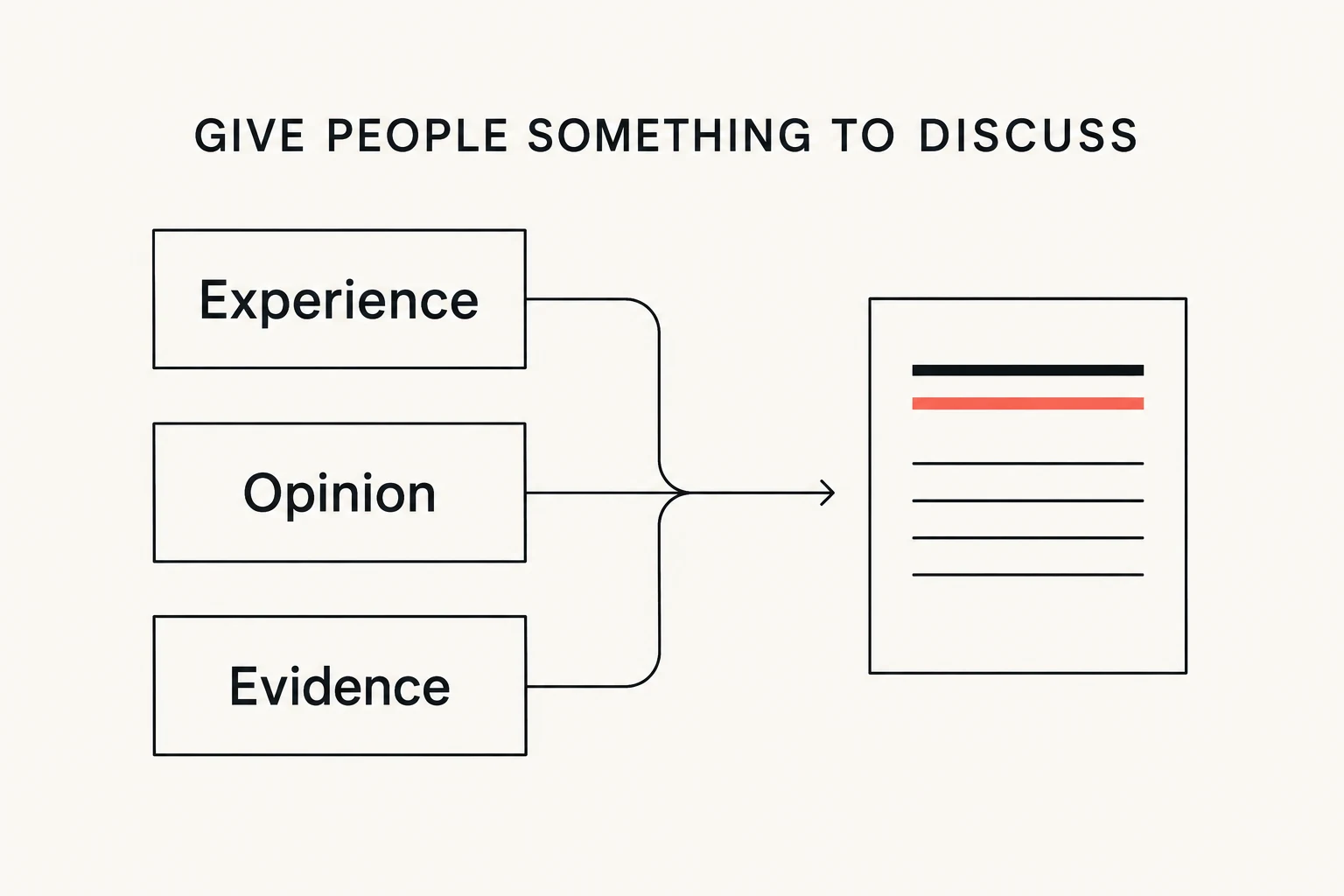
LinkedIn now explicitly says it is suppressing generic, repetitive content and engagement bait. (LinkedIn’s explanation)
So this:
“AI is changing everything.
Those who adapt will win.
Those who don’t will be left behind.”
Straight into the bin.
Replace it with something like:
“Last month we replaced manual competitor research with an agent.
It worked surprisingly well for pricing and feature changes.
It was terrible at understanding WHY competitors changed positioning.
So we kept the automation, but removed the strategy part.”
Now there is something to discuss.
Experience + opinion + evidence becomes more valuable exactly when producing another perfectly formatted “7 lessons from our journey” takes approximately 11 seconds.
5. October and November already give you the hooks
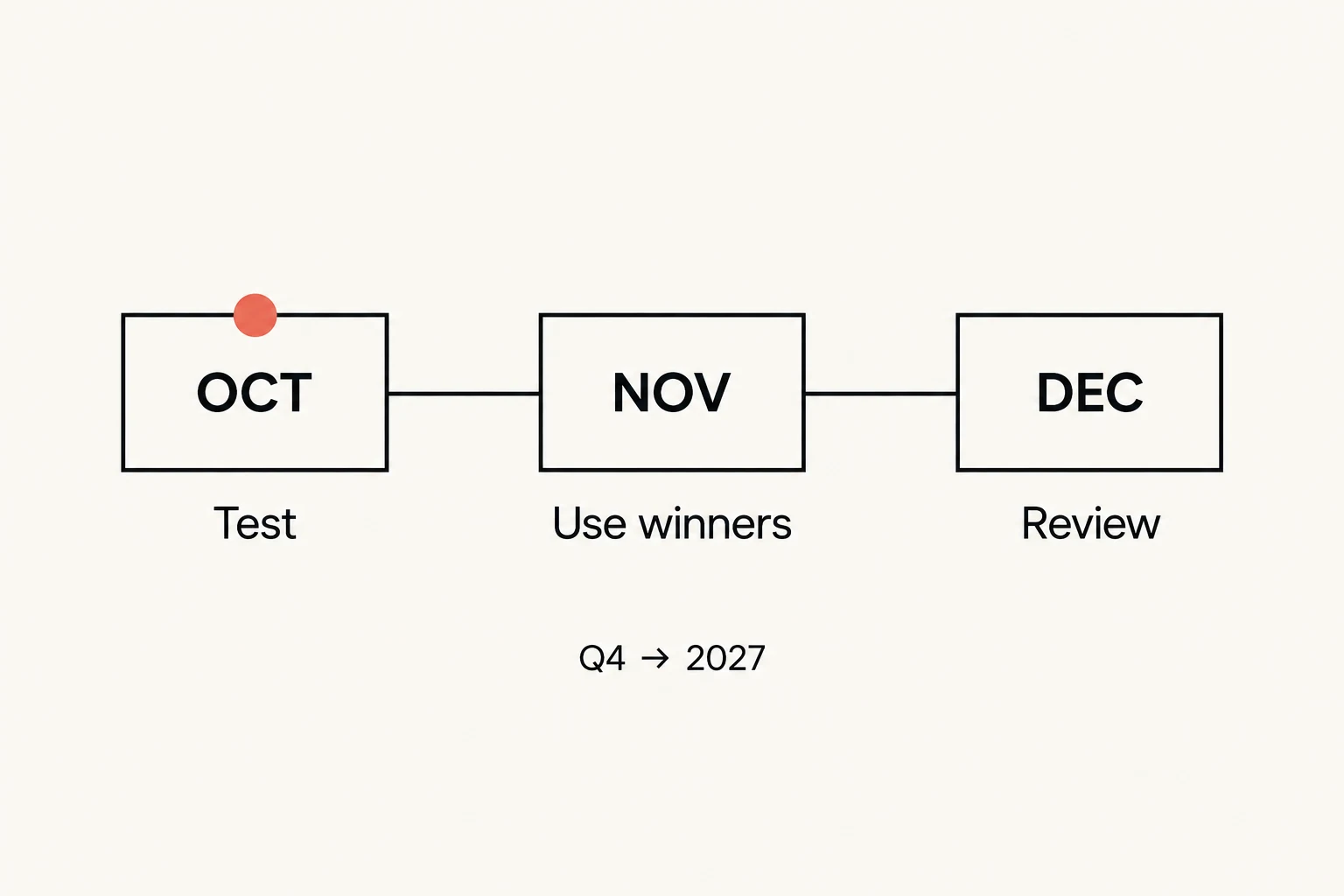
People are moving mentally into Q4 results, budgets, Black Friday, 2027 planning and “what should we change next year?”
Use it.
Some easy starting points:
“7 tools we’re NOT renewing in 2027”
“What actually worked in 2026”
“Before you buy [popular tool] on Black Friday, read this”
“Our 2027 stack is getting much smaller”
“We tested X so you don’t have to”
“5 things that quietly became useless in 2026”
“What we’d learn now if we had to start again in 2027”
“Everyone recommends X. Here’s when you shouldn’t use it.”
“The boring tool that beat all the new AI stuff we tested”
“Steal this exact workflow for X”
These already contain much more tension than another “10 trends to watch in 2027”.
6. When something works, MILK IT
This is where a lot of content strategies become kinda stupid.
A post goes viral.
Everyone gets excited.
And then Monday comes and the content calendar says:
“Topic: something completely different.”
Why?
A successful carousel becomes a TikTok.
The TikTok comments become part two.
The most controversial point becomes a LinkedIn post.
The LinkedIn discussion gives you another carousel.
A question from the comments becomes a 30-second video.
One genuinely good idea can feed two weeks of content without publishing the exact same thing five times.
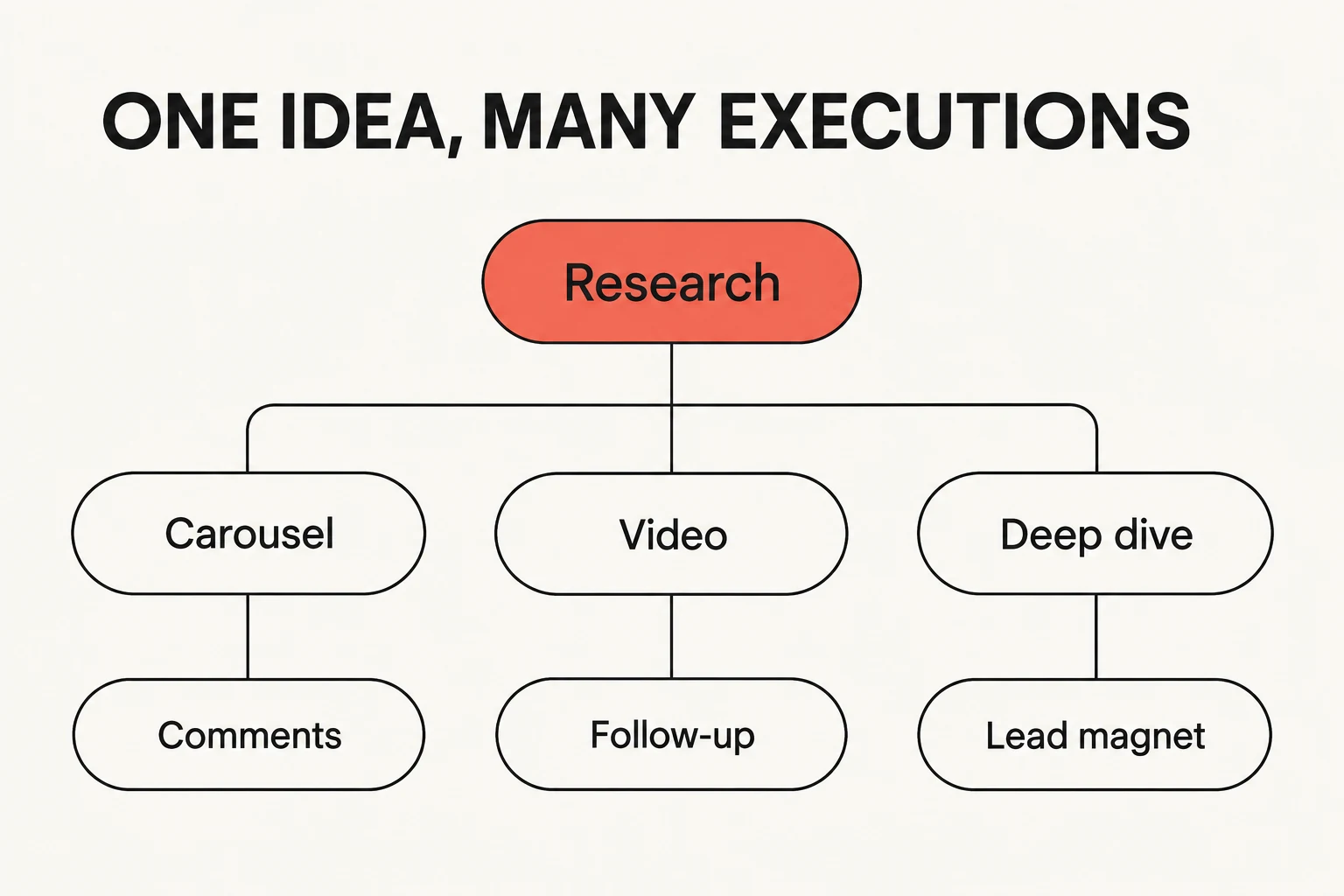
Think in content trees, not isolated posts.
For example:
ORIGINAL RESEARCH
      ↓
Instagram carousel
      ↓
TikTok explanation
      ↓
LinkedIn deep dive
      ↓
Interesting comment
      ↓
Follow-up TikTok
      ↓
Comparison carousel
      ↓
Lead magnet
Much easier than inventing seven unrelated “content ideas” every week.
7. Virality without lead capture is mostly ego analytics
100,000 views and 12 website visits is not an amazing business result.
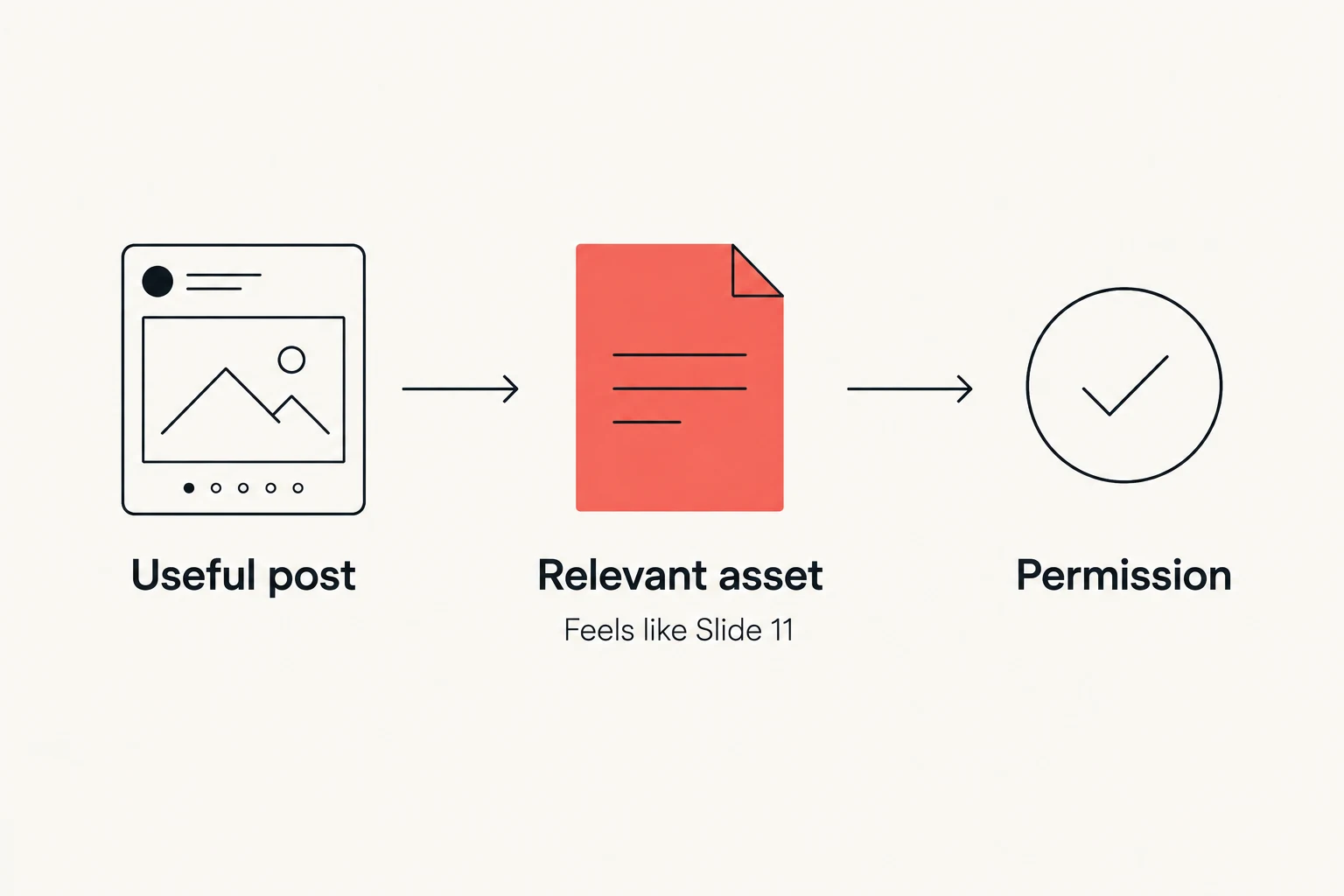
Every 3–5 posts, connect the content to one tiny, extremely relevant asset.
Carousel about hooks?
Give people 30 hook formulas.
Post about social analytics?
Give them the analytics spreadsheet.
Post about AI workflows?
Give them the actual workflow / prompt / template.
The lead magnet should basically feel like Slide 11 of the post.
Avoid:
“Subscribe to our newsletter for more insights.”
Nobody woke up today hoping to receive more newsletters.
Something like this is much easier to understand:
We collected the prompts, carousel structures and Q4 hook templates from this post into one Social Growth Kit.
Comment GROWTH and we’ll send it.
Now the content is doing three jobs.
People discover you.
People remember you.
Some of them give you permission to talk to them again.
8. And every week, feed the results back into the machine
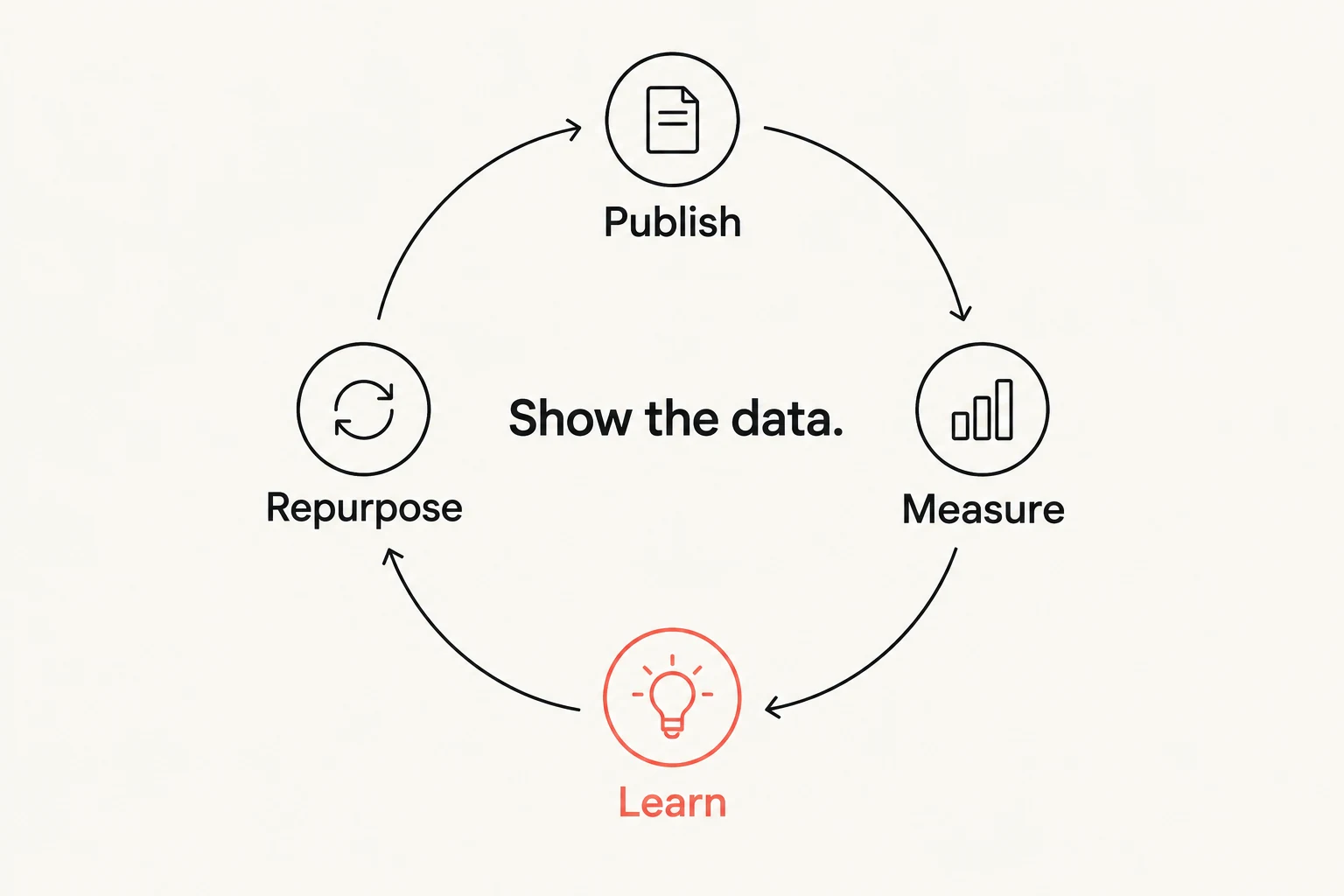
This is one of the actually useful places to use AI.
Take your last 30 days of performance and run:
You are auditing our social media content.

Below are our posts from the last 30 days with:
- topic
- hook
- platform
- format
- reach/views
- watch time if available
- shares/sends
- saves
- comments
- profile visits
- DMs/leads generated

[PASTE DATA]

Do not give generic social media advice.

Find:
1. Which TOPICS repeatedly outperform.
2. Which HOOK structures outperform.
3. Which posts get reach but fail to generate leads.
4. Which posts generate leads despite mediocre reach.
5. Ideas we should stop publishing.
6. Our top 5 posts worth repurposing into another format.
7. 10 follow-up posts based specifically on patterns in this data.

For every conclusion, show which data points caused you to make it.
That last sentence is pretty important.
Otherwise your AI content strategist can invent a beautiful explanation for basically any numbers you give it.
Going into the end of 2026, the goal shouldn’t be 30 random posts.
Find 5 genuinely interesting things worth saying.
Package them extremely well.
Adapt them properly to each platform.
Watch what people actually send, save, search for and DM you about.
Then make more of whatever is already working.
It feels good to have your first carousel going viral 😏
Just your idea, click-clack and voila! ViralityWand made just for that
A few clicks. Ready to edit and post.