Text to post
Turn text into a focused post
Paste an article, newsletter or transcript. Use Shorten my text to keep your central argument intact while ViralityWand restructures it into a clear post draft.
Create from my textYour brief opens after sign-in, where you add your own text and photos.
AI uses credits. Free exports include a watermark. Pricing
Fictional example for Ashcroft People, an HR consultant pitching a scorecard workshop to hiring managers. Illustrative stock photography.
What you bring
Start with what you already have.
Your article text
Article excerpt
Scoring interviews: a short guide. Two interviewers can sit through the same conversation and reach opposite conclusions. The candidate says the same things, but the notes they write down are different. One records a feeling, the other records an example, and the panel then argues about which feeling is right. A scorecard removes most …
View example instructions
Scoring interviews: a short guide. Two interviewers can sit through the same conversation and reach opposite conclusions. The candidate says the same things, but the notes they write down are different. One records a feeling, the other records an example, and the panel then argues about which feeling is right. A scorecard removes most of that argument, because the panel starts from the same evidence. Score every candidate against the same four criteria: experience, problem-solving, collaboration and ownership. Keep the four stable for a hiring round so the scores stay comparable. Score each criterion from 1 to 4. A four-point scale is easier to use than a ten-point scale because it forces a clear choice. Agree before the first interview what each number means for each criterion, and write the evidence beside the number. One or two sentences describing what the candidate actually said or did is enough. Quote them where you can. Evidence is the part that travels. Every candidate meets the same questions, in the same order, with the same follow-up prompts. If one candidate is asked about a difficult stakeholder and another about a deadline, the scores are not comparable. Each interviewer writes their own scores before the panel meets, and does not show them during the interview. When the panel meets, read the scores aloud and compare the evidence. The gaps are the useful part. A candidate who needs an adjustment to the interview format still answers the same questions on the same scale. The adjustment changes the setting, not the standard. Running the scorecard: pick one role, four criteria and one scale. Send the scorecard to each interviewer before the interview. Collect the scores in writing, then discuss. After the round, read the notes back and note which criteria were hard to score, then change the criteria before the next round rather than during it. A short workshop takes a hiring team from this guide to a scorecard they can use on one live role.
Audience: HR consultants who already wrote a hiring guide. Goal: workshop enquiries from hiring teams. Slides: 1 hook, a fairer interview. 2 the same questions for every candidate. 3 the four criteria, experience, problem-solving, collaboration and ownership. 4 rate 1 to 4 with written evidence, scored independently before the panel discusses. 5 invite the reader to book a scorecard workshop and bring one role. Keep the criteria and the scale exactly as written.
Use this example text →Text only. Choose a template and add any photos in the app.Your editable post
A five-slide mini lesson that keeps the guide's argument.
Make it yours
From text to draft
- 01
Paste your text
Add the article, newsletter or transcript you already wrote.
- 02
Choose a template and create.
Choose Shorten my text and a template, then press Create.
- 03
Edit and export
Rewrite any line, then export PNG slides or a ZIP.
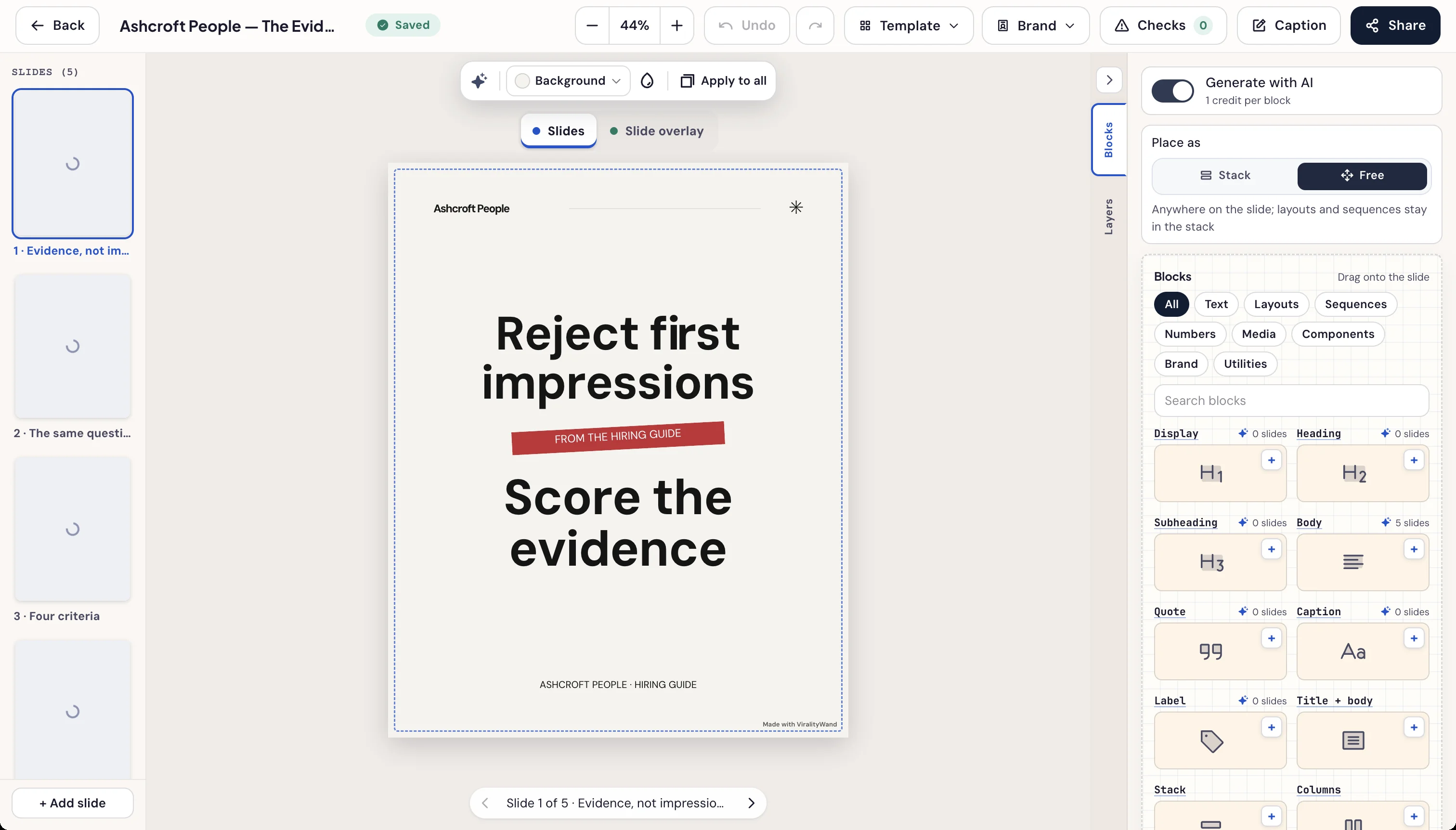
Your draft stays editable.
Watch this example in the real editor.
Show the detailed steps for this example
- Paste the guide text. Type or paste the text of the guide into the field for your idea or source text on Home. Include the four criteria, the 1 to 4 scale and the order of the scoring steps.
- Choose how to shorten. Open Settings, then Writing, and pick Shorten my text so the draft trims the guide to slide length. Then open Template, search your own template, and choose How it applies → Follow.
- Create and review the slides. Press Create, then read the hook, the questions, the criteria, the scale and the workshop request. Compare the criteria and the scale with the guide you pasted.
- Edit, then export. Edit the text or crop a photo where the layout needs it. Open Share and choose Download ZIP, then read the numbers and the criteria once more against the guide. Unzip the file to get the individual PNG slides.
The demonstration uses a dedicated local template. It is not automatically loaded by the creation button.
A few things you might be wondering
Will my criteria and scale stay intact?
The draft keeps the structure of your piece. Check the key details, such as lists and numbers, against the text you pasted.
Can I rewrite the wording?
Yes. Every slide is editable, so you can shorten a line or move it without losing the original point.
Can I use a URL or a recording?
No. Paste the text of the article, newsletter or transcript. There is no URL or audio import.
What does generation cost?
Generating a post uses credits. There is a free starting allowance, and free exports carry a watermark. Paid plans remove the watermark.
See pricing →Find your starting point
Choose a look for your post
Select a template to see it in the phone.
Turn the text you wrote into a short read
Paste the piece you already have, then check the key details survived.
Create from my textAI uses credits. Free exports include a watermark. Pricing
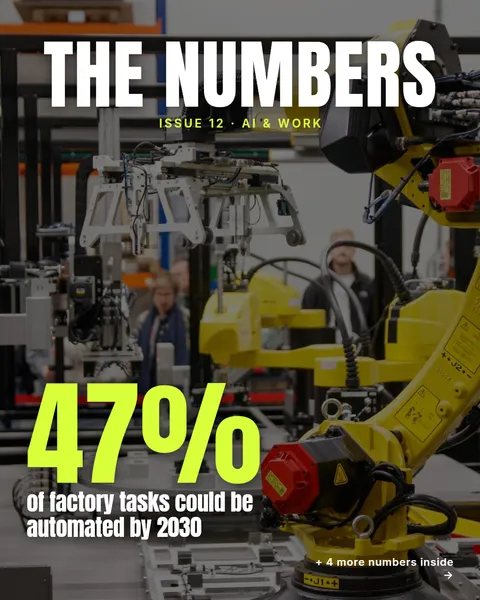
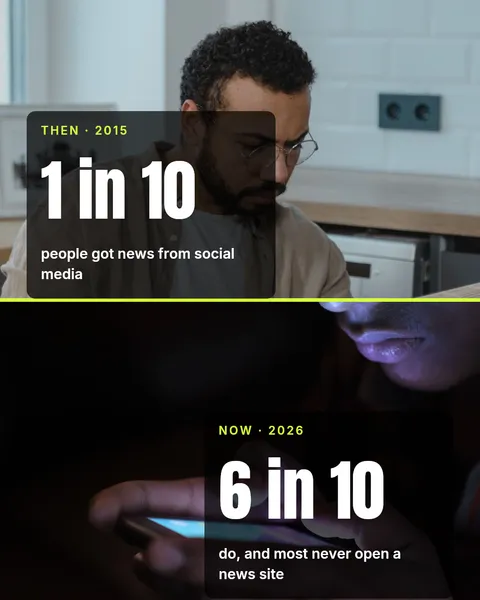

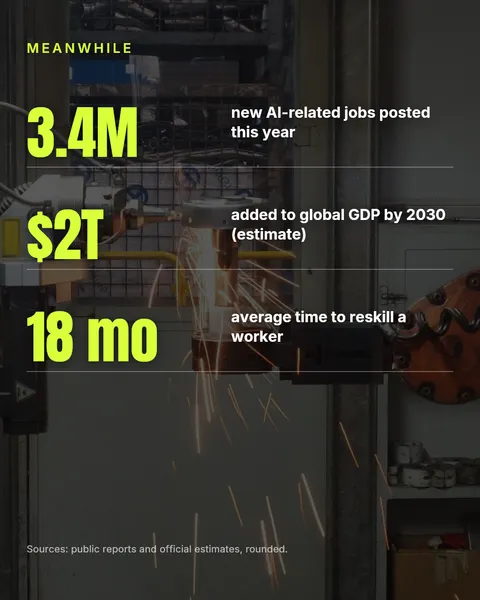
News · Numbers Poster

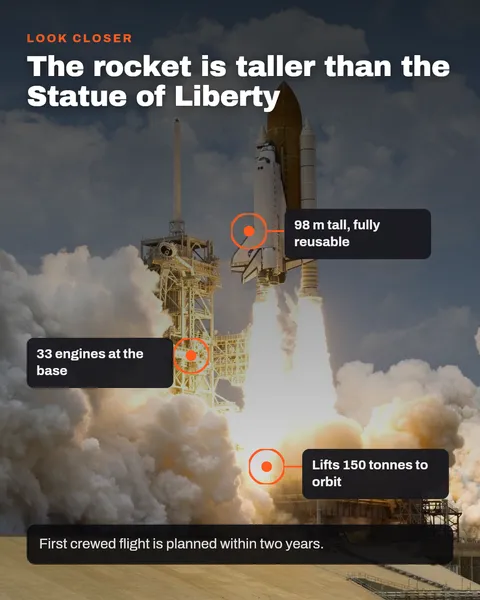
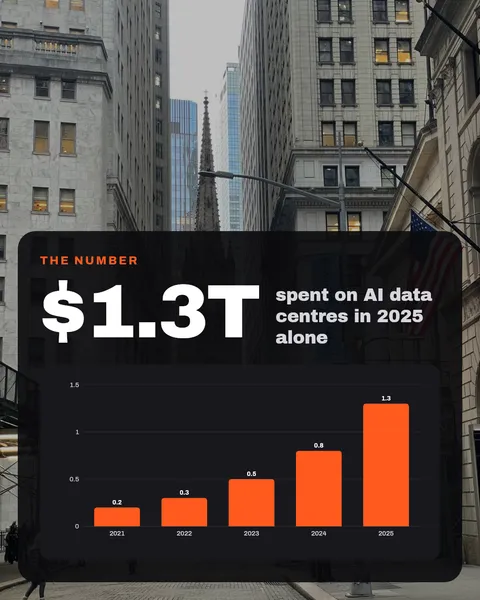
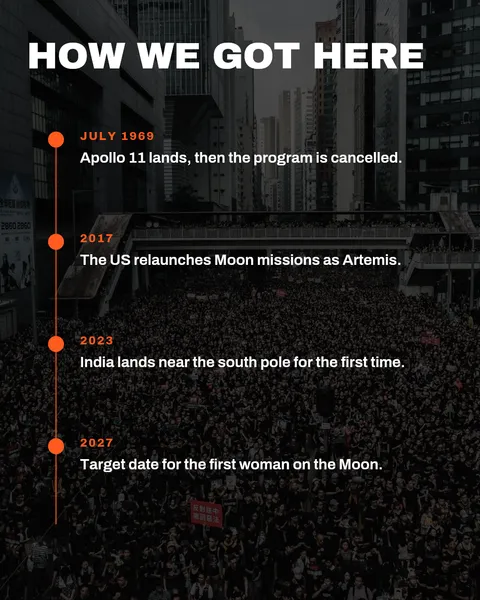
News · Photo Explainer
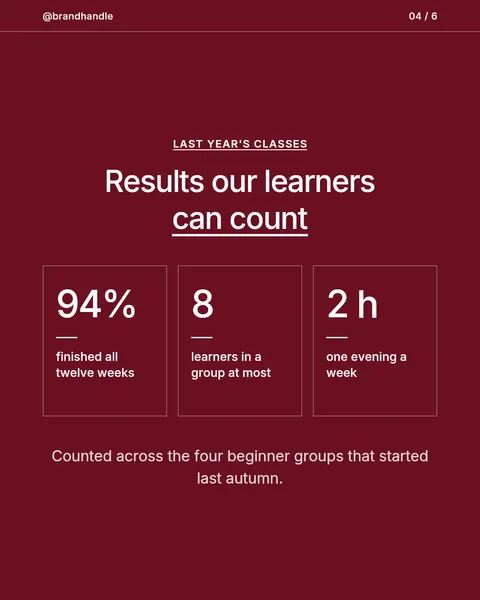
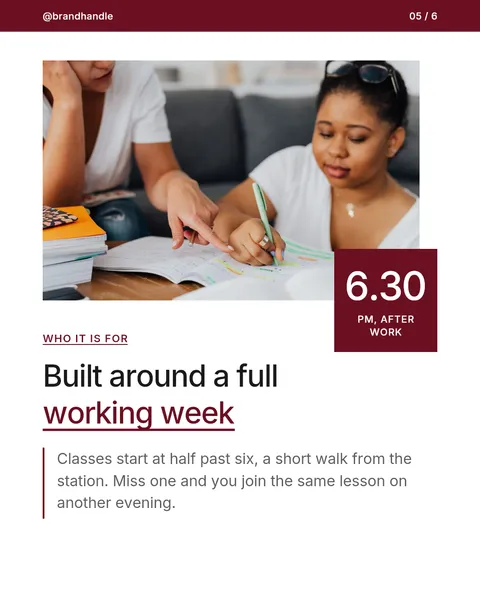
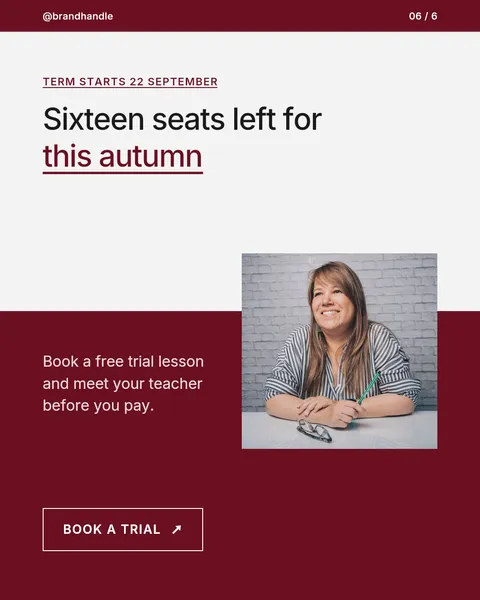
Maroon Academic
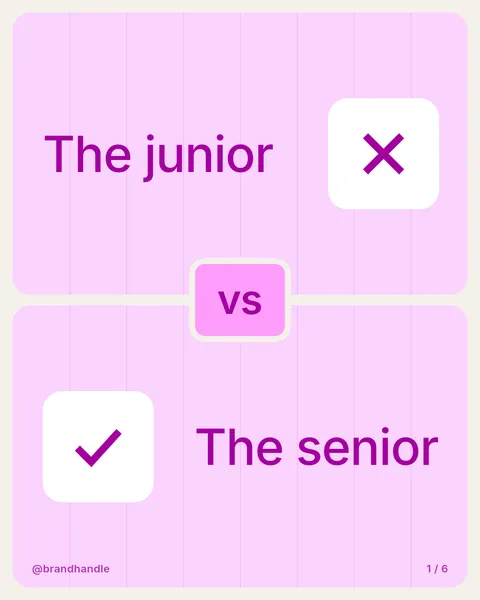
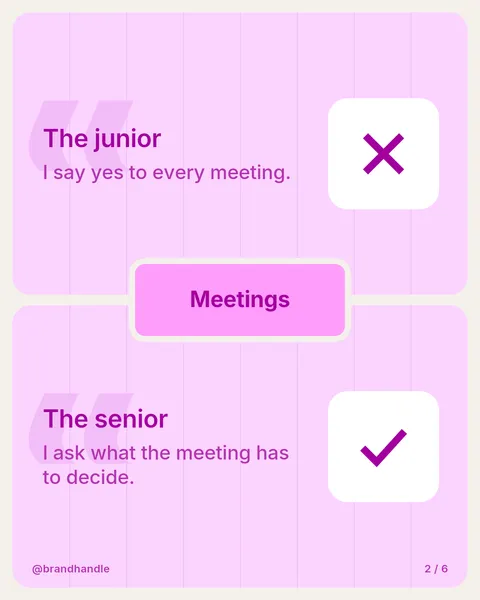
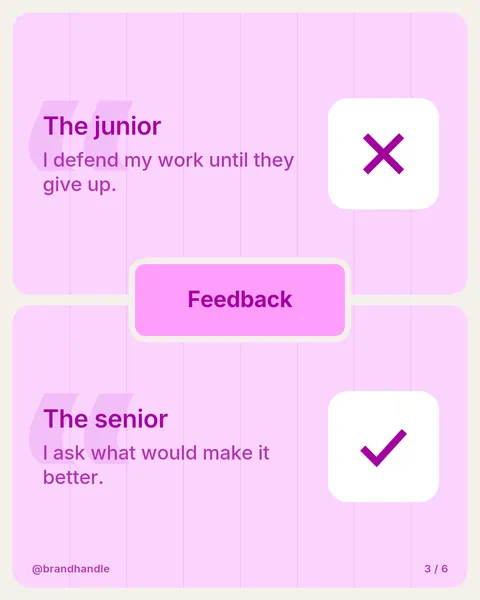
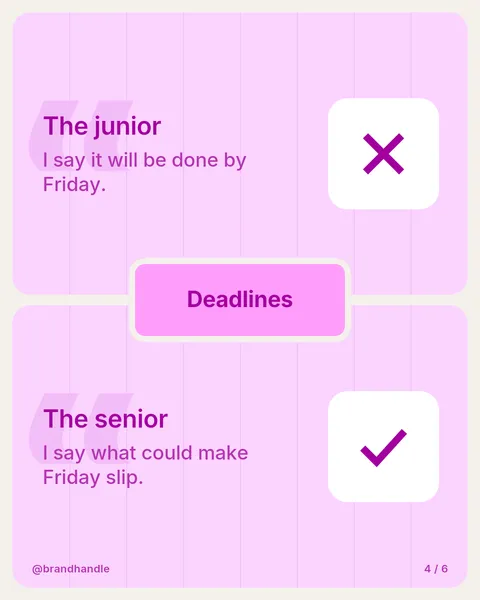
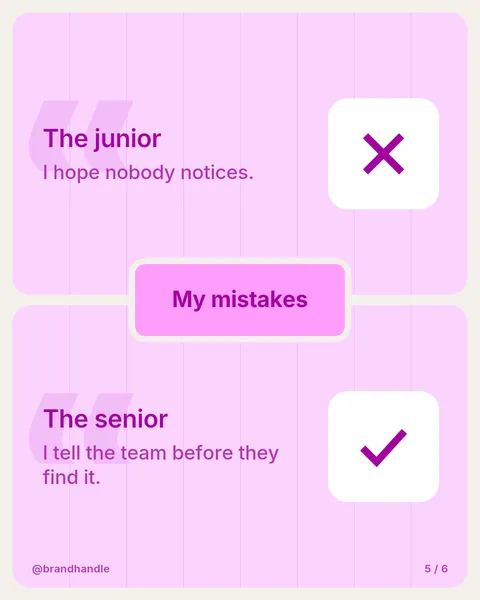
Versus




News · The Odds (prediction markets)

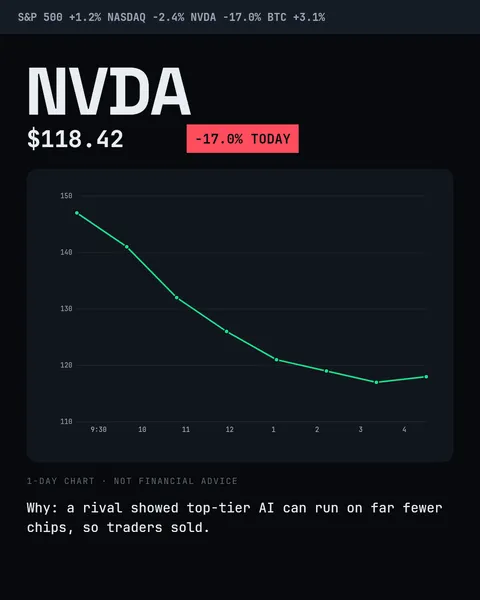
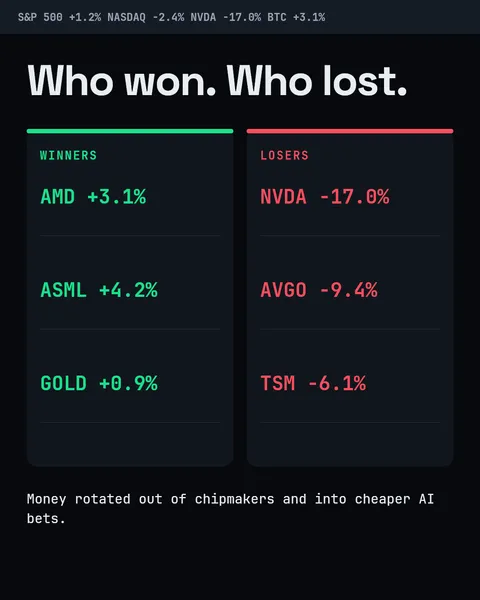

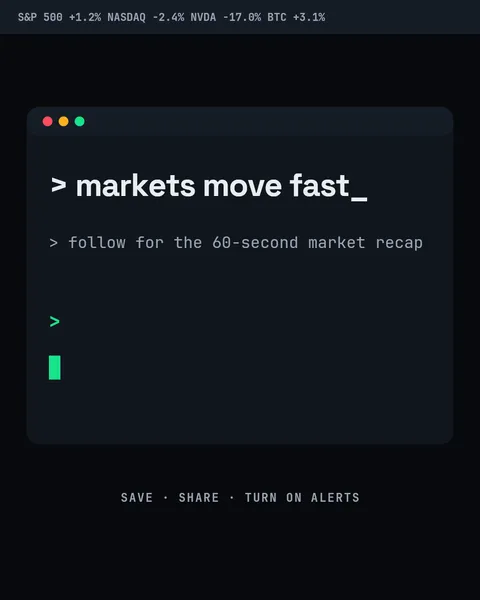
News · Market Terminal
About this example
Fictional example for Ashcroft People, an HR consultant pitching a scorecard workshop to hiring managers. Illustrative stock photography.The Evidence Edit follows the slide composition of Black White and Red Modern Typographic Informational Instagram Post by Taty Studio on Canva. Rebuilt as an editable ViralityWand template with new text and separately licensed photographs. The linked design belongs to its original creator.
Photography: Felicity Tai cottonbro studio William Fortunato Yan Krukau · Pexels licence.