Client case studies
Packaging projects with visible decisions
Roasters cannot judge packaging from taste alone. Draft slides that show the range, the label hierarchy and the decisions behind it.
Brand studios selling packaging design to small coffee roasters
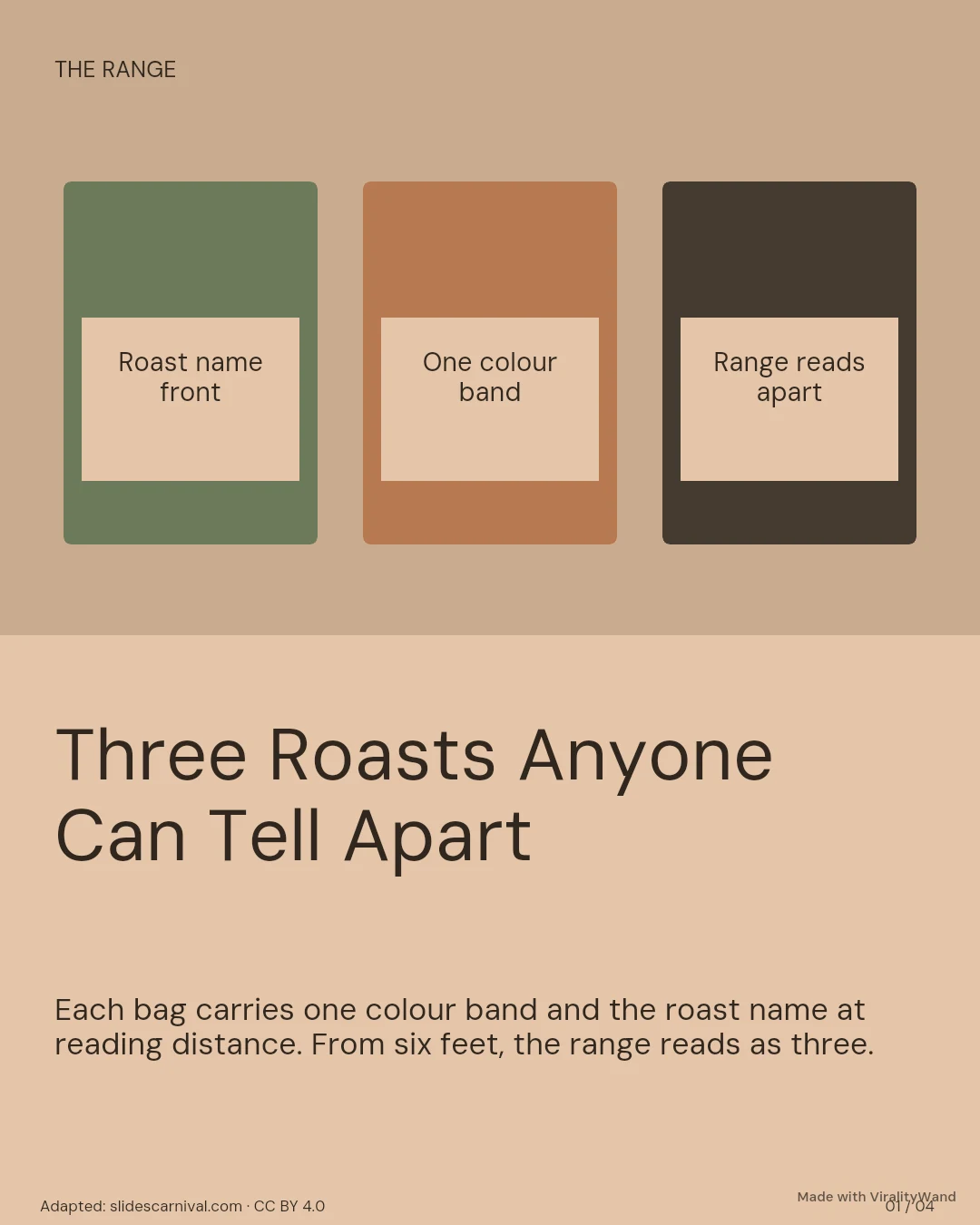
Before, all three blends shared one green and the differentiator sat in small type. After, hierarchy follows what shoppers look for.
↗The campaign
Four slides showing the range, the label before and after, and why each choice was made.
Fictional business example. Explore every slide, its purpose and the finished caption.
Fold & Ember Studio — Reading The Shelf
A shelf shopper decides in a few steps, so the packaging should answer those steps in order from three feet away.
Sample campaign for Fold & Ember Studio, a fictional brand studio selling packaging design to small coffee roasters who want their bags chosen from a crowded retail shelf.
Post caption
Three blends, one shelf, and a shopper deciding in seconds. This roastery project moved the roast name from small back type to the front of the bag and gave each blend its own colour band. Origin moved to the side, the brew guide to the back. Four choices, each answering a shelf moment. Projects start with one blend.
Roasters cannot judge design from taste alone. Without visible decisions, your quote competes with a cheaper bag template.
Packaging project enquiries from roasters with three or more blends in retail.
Number of packaging enquiry emails that reference the label hierarchy slide.
The starting material
Shelf project notes — fictional roastery, three blends
Packaging case-study slides are usually rebuilt from scattered files, with the reasoning living only in your head. ViralityWand lays out the range, hierarchy and decisions from one set of project notes you already wrote.
Shelf project notes — fictional roastery, three blendsProject notes for a fictional roastery with three blends. Problem: all three bags used the same green and the roast name sat in small type on the back. Changes: a colour band per roast, roast name moved to the front at reading distance, origin and process on the side, brew guide on the back. No sales figures, packaging only launched last month.
Find your starting point
Choose a look for your post
Select a template to see it in the phone.
Start with this brief
Show the range, explain the hierarchy, and let roasters see the reasoning.
Roasters cannot judge packaging from taste alone. Draft slides that show the range, the label hierarchy and the decisions behind it.
Draft my shelf project post ↗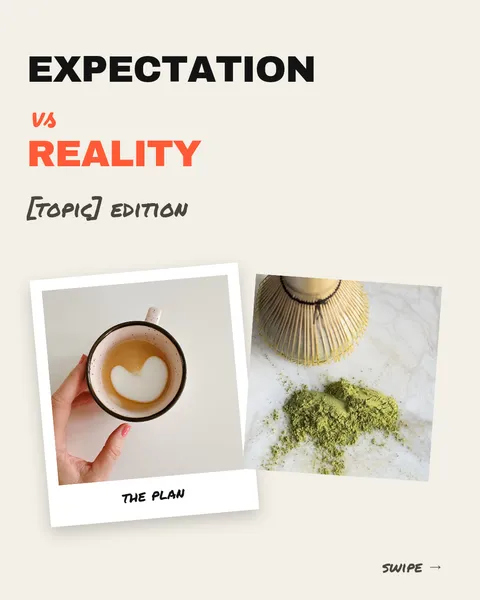
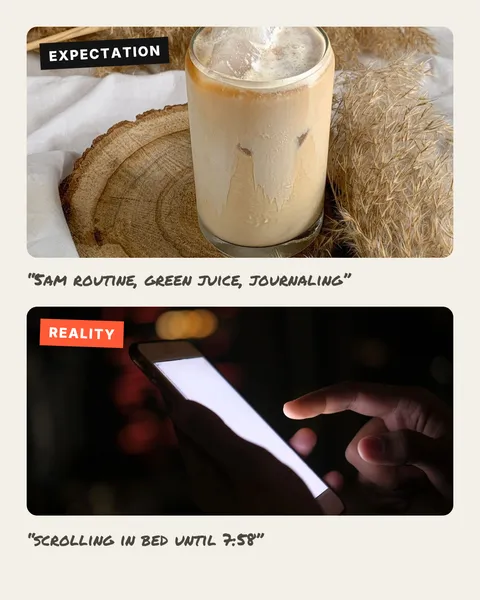
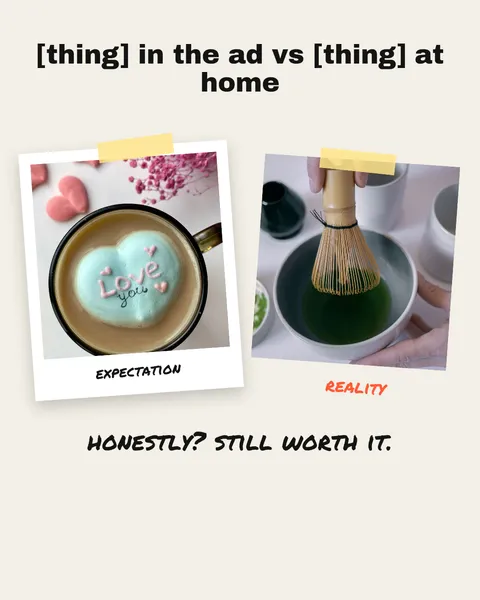
Compare · Expectation vs Reality
Compare · Vintage Art Meme
Compare · Zoom In For A Sign

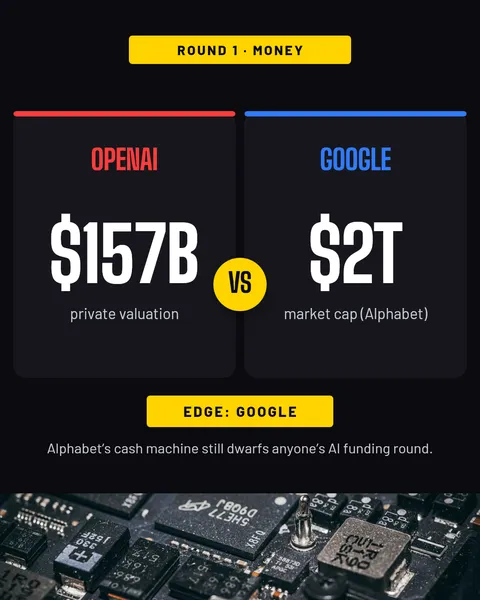
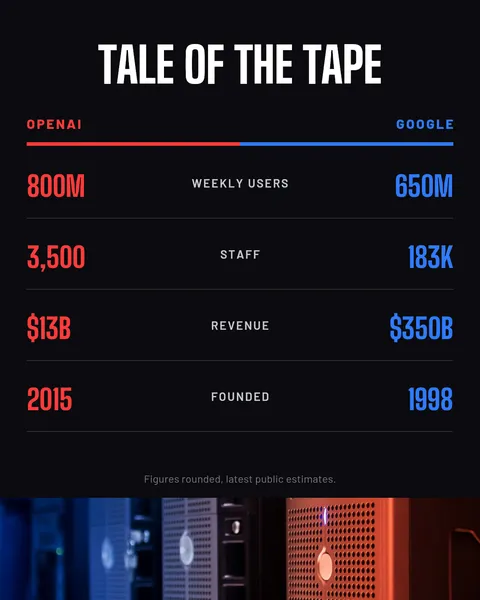

News · Versus Face-off
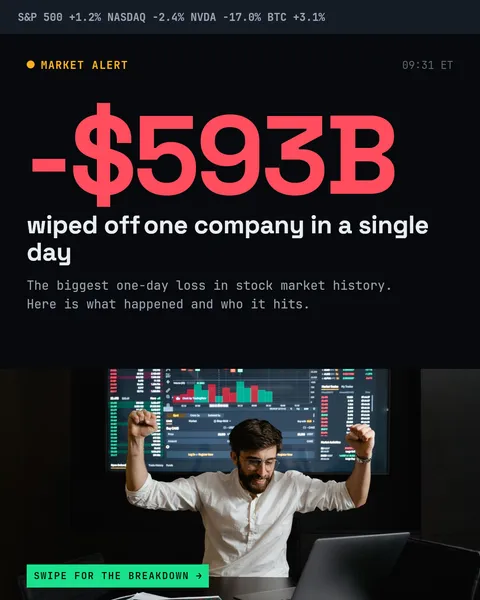
News · Market Terminal
Compare · This or That
Create a post
Build a packaging redesign story from project notes.
Use your project notes on bag design. Create a draft post that walks through the problem and the visual changes made.
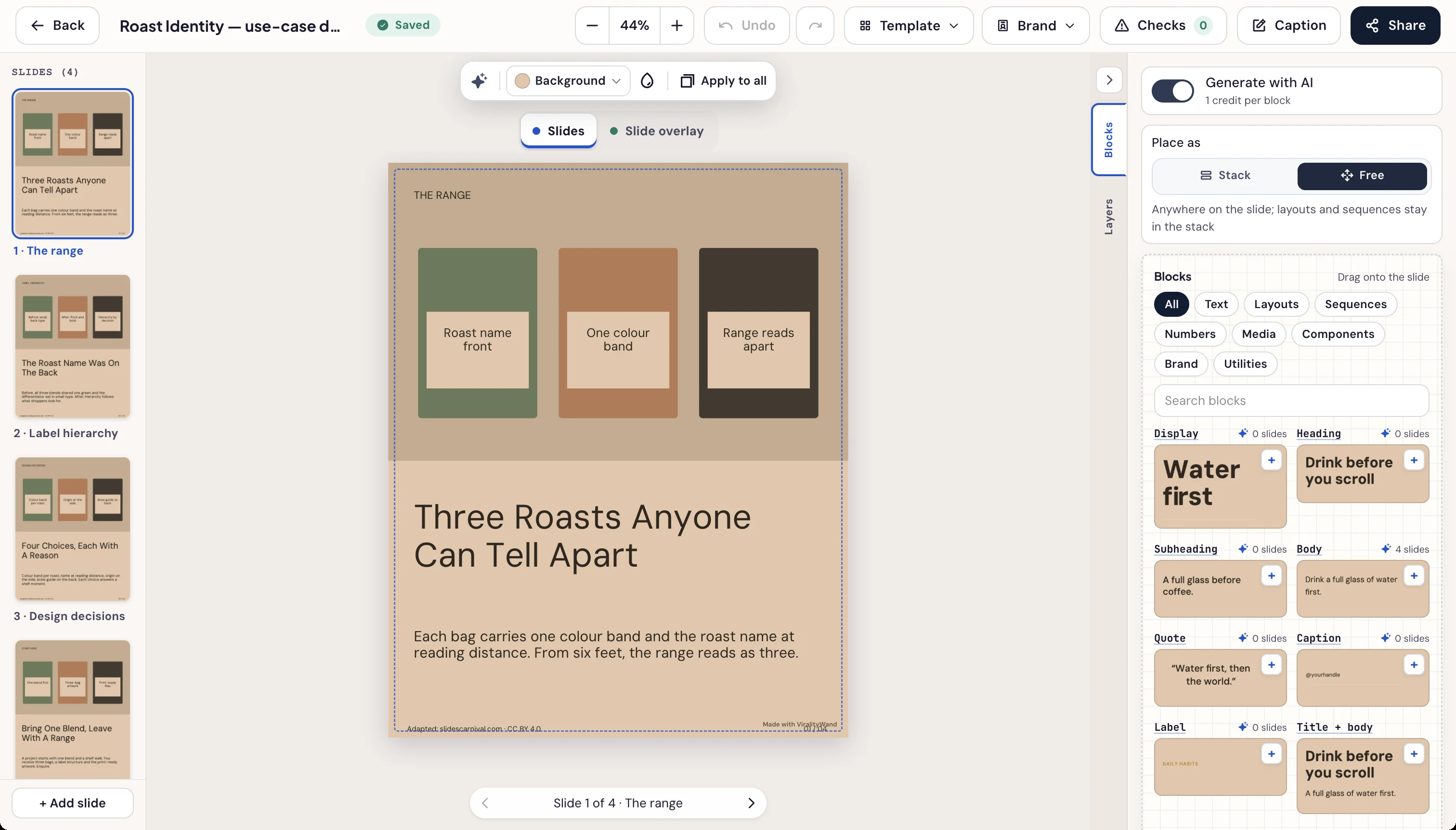
Project notes: a coffee roastery updated bag designs with colour bands and prominent roast names for three blends.
Enter your project notes
Input the problem of identical bags and the specific design changes applied.
Pick a template
Select a template designed for a before-and-after or problem-solution story.
Craft the case study
Refine the copy, insert photos of the packaging, and adjust the layout.
How to make yours
- Enter your topic or initial notes
- Choose a template and optionally upload photos
- Click Create and edit the draft text, images, and crops
- Review and use the Share panel to export
Before you start
Can I show this project publicly?
Only if your client agrees. The layouts use graphic mockups, so you can swap in fictional blend names, colours and label copy for a public example.
Can the slides avoid sales claims?
Yes. Describe observable design changes such as hierarchy, colour and placement. Leave commercial results out unless the client measured them and consented.