Educational posts
Workshop promos built around one email
Team leads book security training as a chore and nobody remembers it. Draft a lesson around one realistic email your staff can read.
Cybersecurity trainers selling team workshops to small companies
Security training gets booked as a compliance chore. Nobody remembers the lesson a week after the slides.
Team workshop enquiries from managers who want a practical session rather than an annual slideshow.
Number of workshop enquiry emails that mention the payment-change scenario from the post.
The campaign
Four slides built from one realistic email that teams can practise on together.
Fictional business example. Explore every slide, its purpose and the finished caption.
Kestrel Security Training — Check Before You Pay
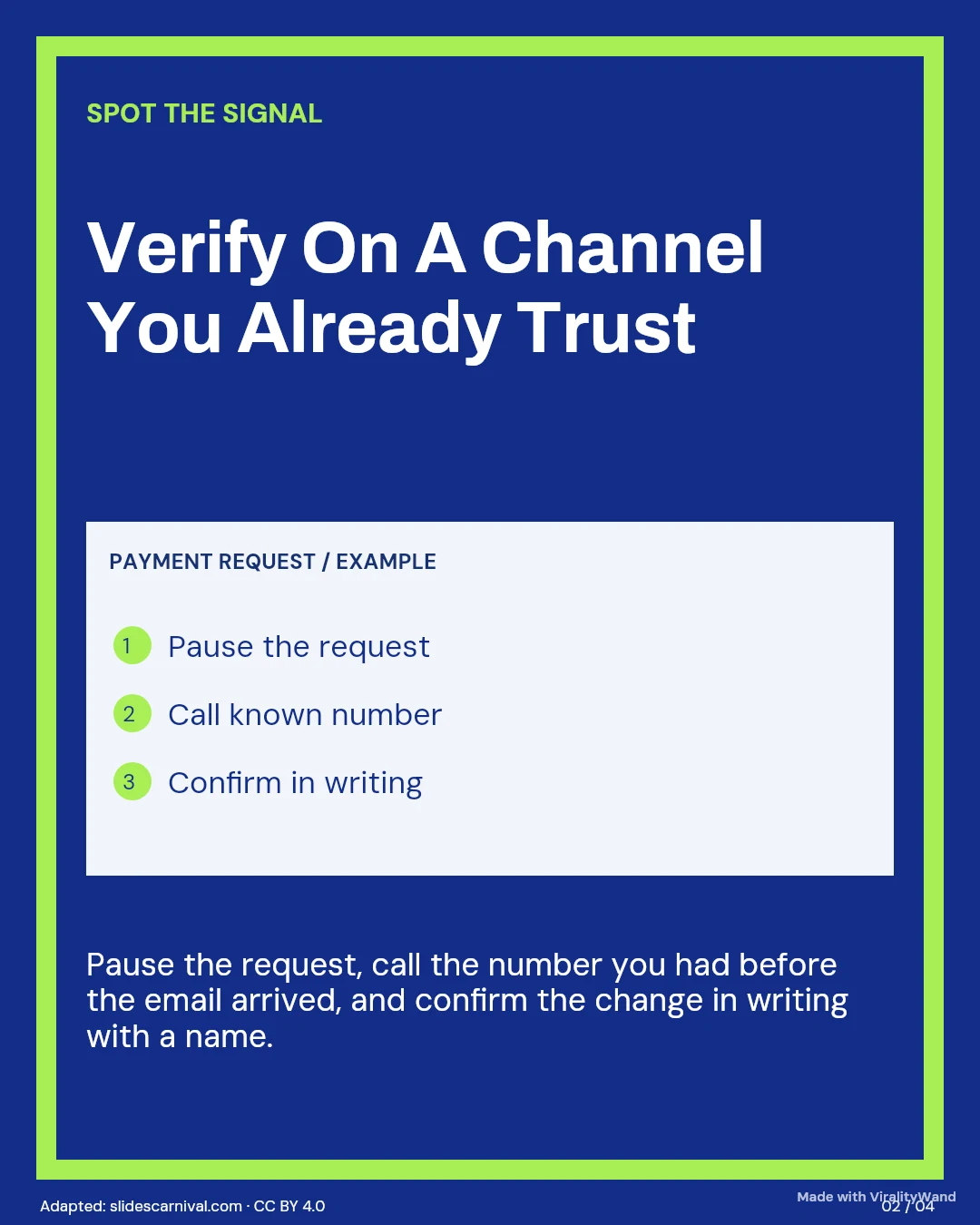
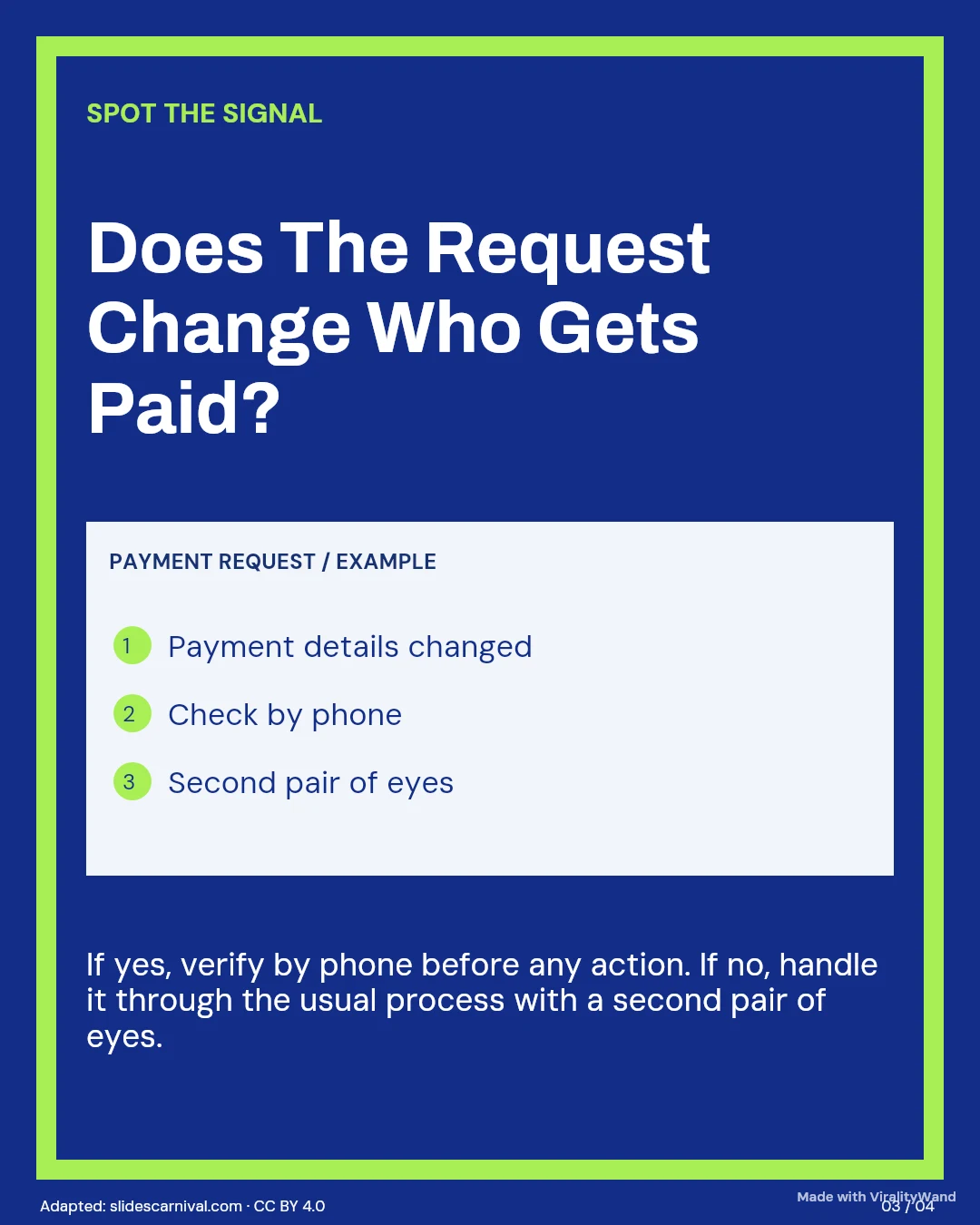
When an email asks you to change payment details, the safest habit is to confirm it on a channel you already trust.
Sample campaign for Kestrel Security Training, a fictional cybersecurity trainer selling short team workshops to small companies whose finance and admin staff handle supplier invoices.
Post caption
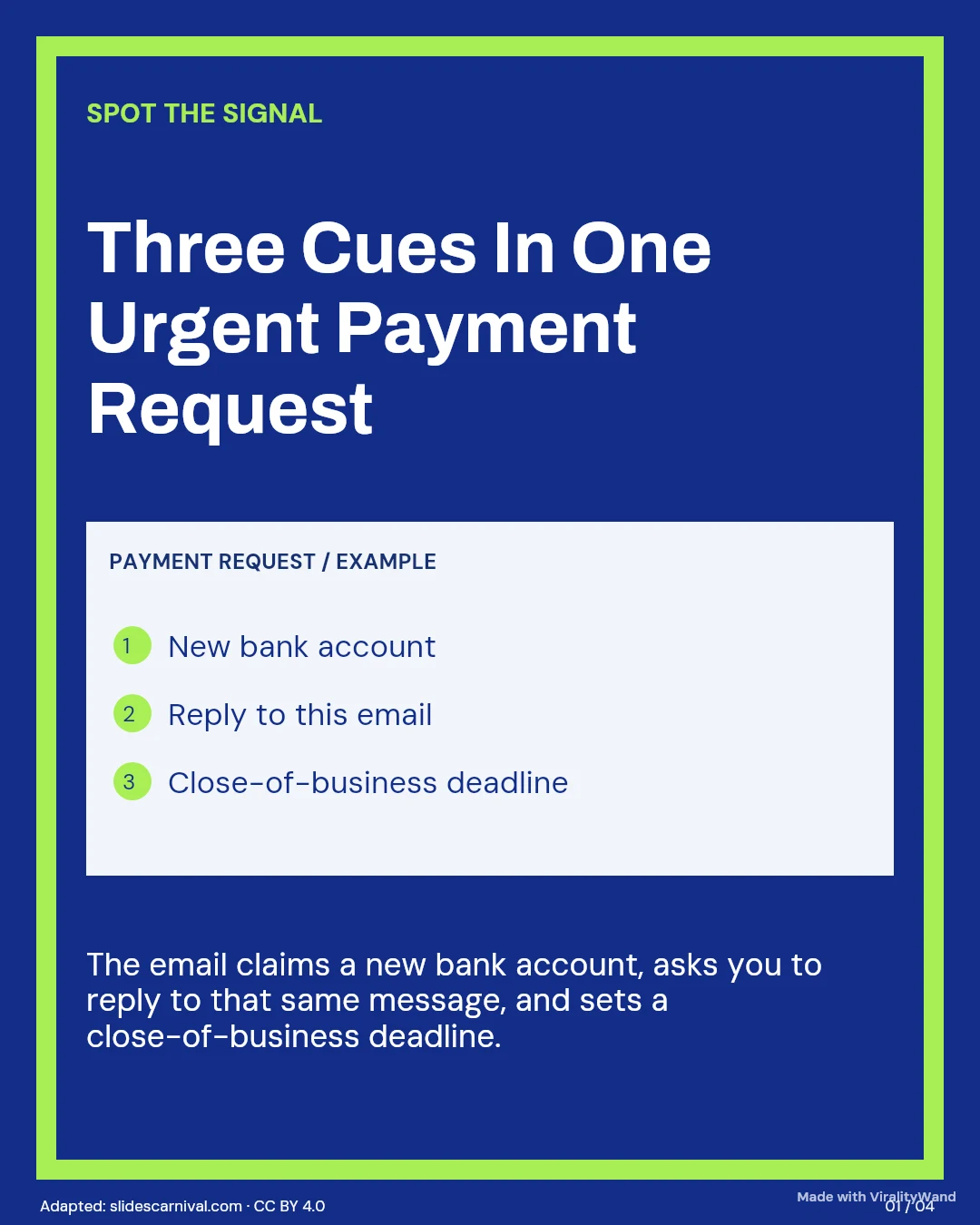
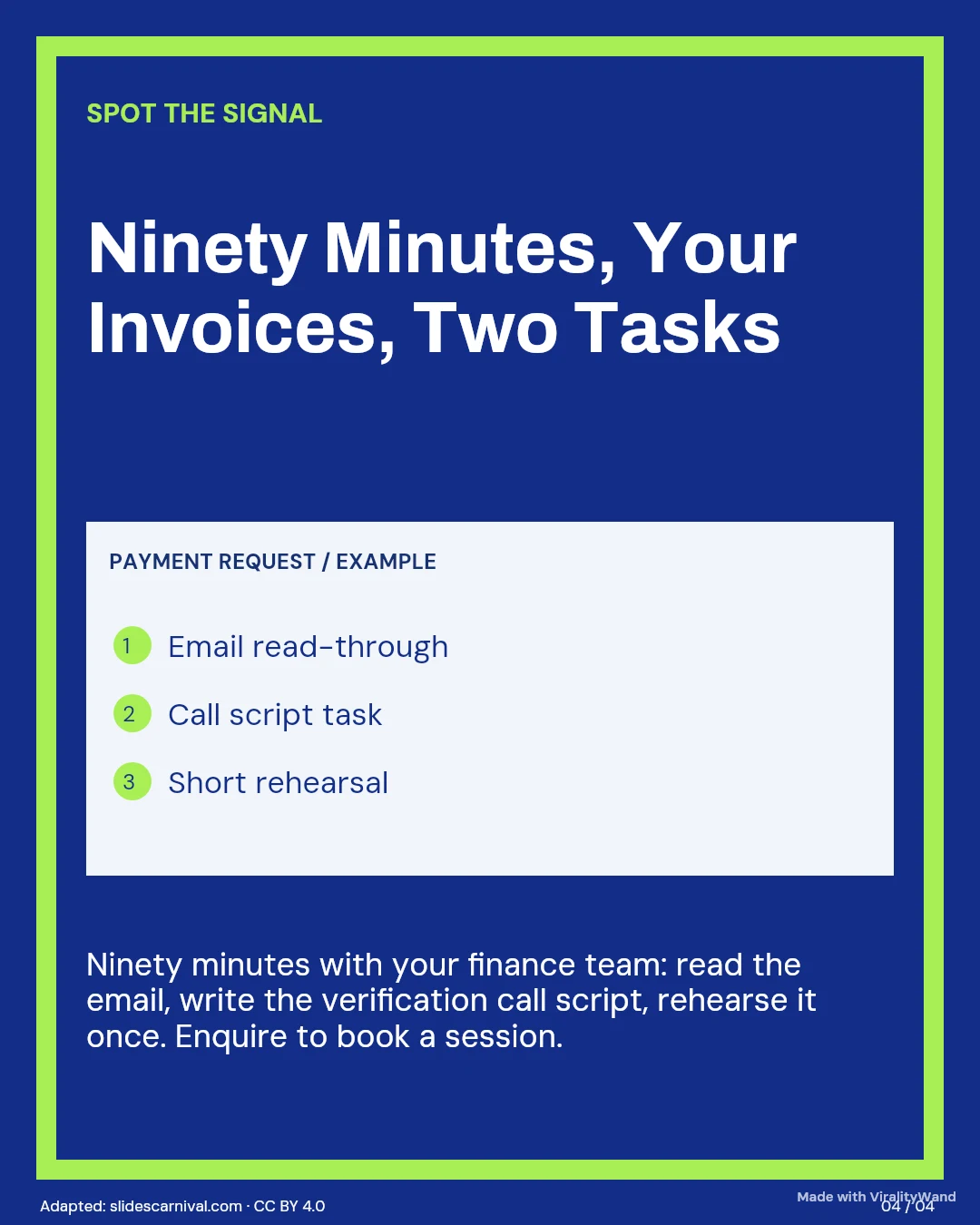
An email says your supplier changed banks and the invoice must be paid before Friday. What do you check? The reply-to address does not match the sender, there is no phone number, and the greeting has no name on it. Before any payment moves, call the number you already had. Ninety minutes with your finance team, two practical tasks, one habit that sticks. Workshop enquiries open.
The starting material
Workshop lesson notes — supplier payment change email
An annotated email, a checklist, a decision tree and a session plan usually take a day of slide assembly per workshop. ViralityWand drafts the four slides from your lesson notes, leaving you the teaching and the two group tasks.
Workshop lesson notes — supplier payment change emailLesson notes. The teaching email shows three cues only: it says the supplier has moved to a new bank account, it asks the reader to reply to the same message for updated details, and it sets a payment deadline of close of business. Exercise: teams write a verification call script. Session is ninety minutes with two short group tasks.
Create a post
Turn a lesson plan into a practical exercise post.
Start with your lesson notes on email fraud cues. Create a draft post that presents the exercise for team managers.
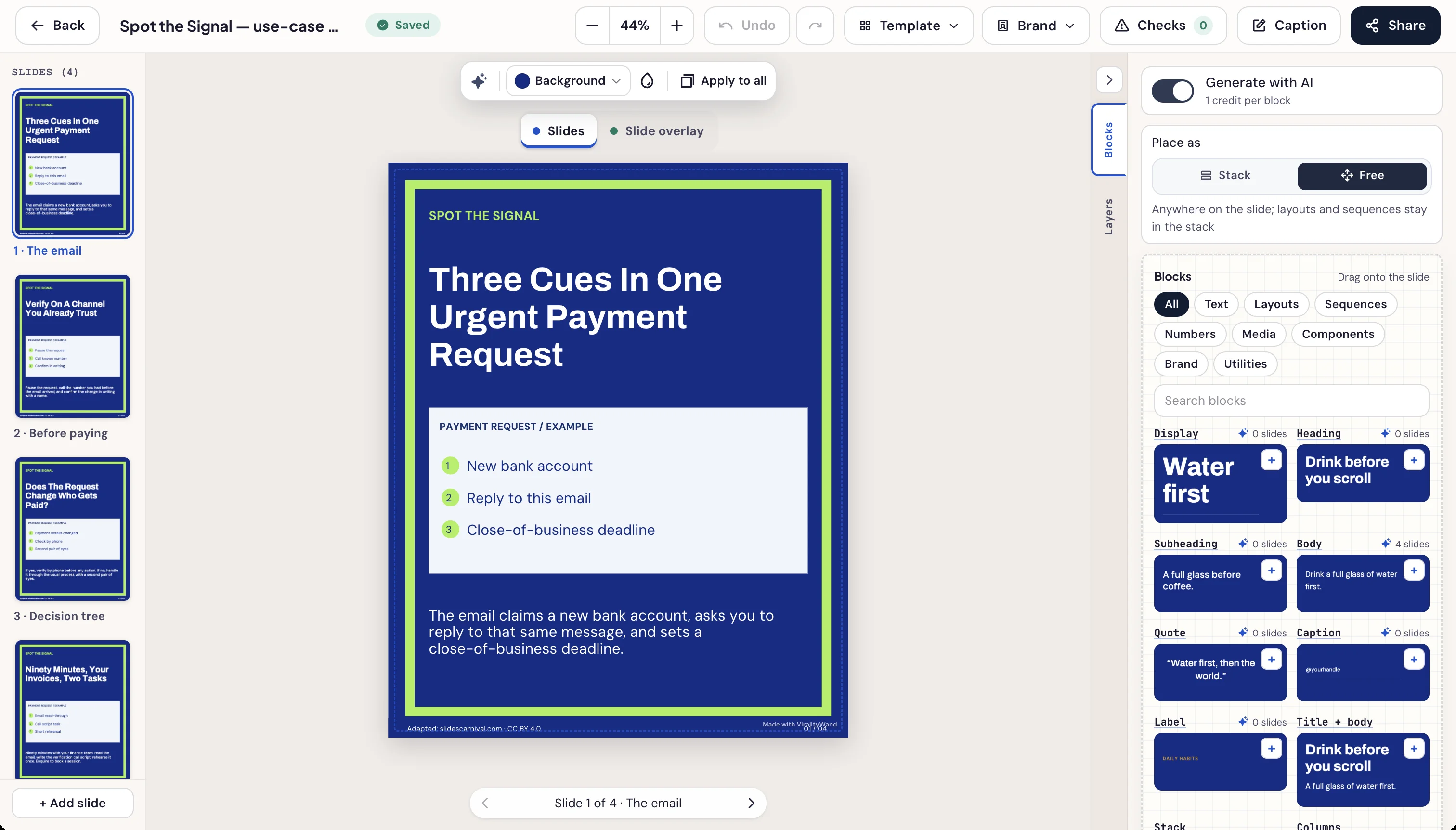
Lesson notes for a cybersecurity workshop: three cues in a phishing email and an exercise to write a verification script.
Add your lesson notes
Input the three email cues and the team verification call script task.
Pick a template
Select a template that clearly presents a teaching scenario or challenge.
Edit the exercise
Tailor the copy, add any instructional visuals, and finalize the structure.
How to make yours
- Enter your topic or initial notes
- Choose a template and optionally upload photos
- Click Create and edit the draft text, images, and crops
- Review and use the Share panel to export
Find your starting point
Choose a look for your post
Select a template to see it in the phone.
Start with this brief
Pause the request, call the number you already had, then pay.
Team leads book security training as a chore and nobody remembers it. Draft a lesson around one realistic email your staff can read.
Draft my phishing lesson post ↗

News · Numbers Poster

Maroon Academic
Apothecary

Sunny Fact
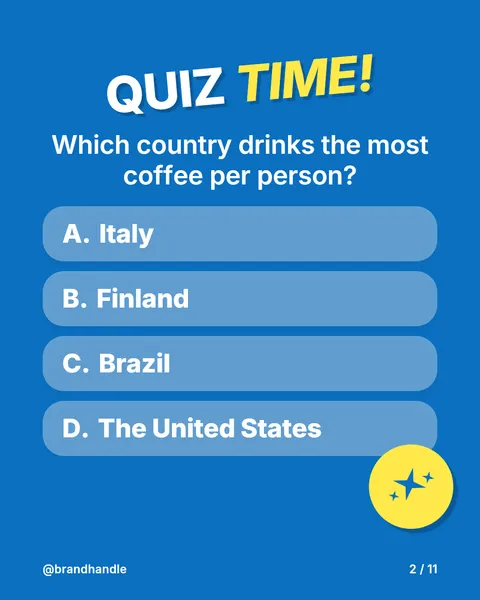

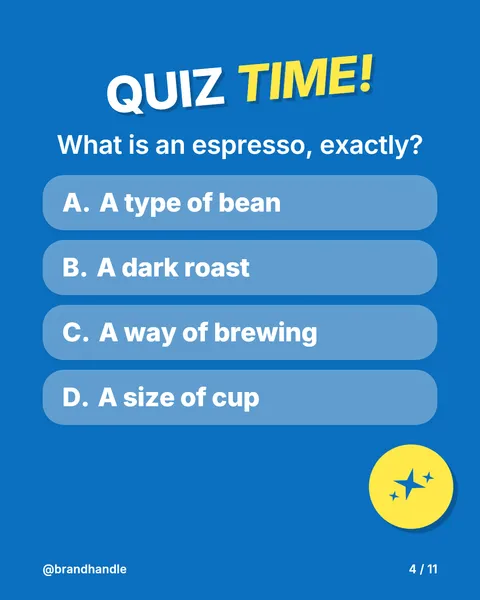
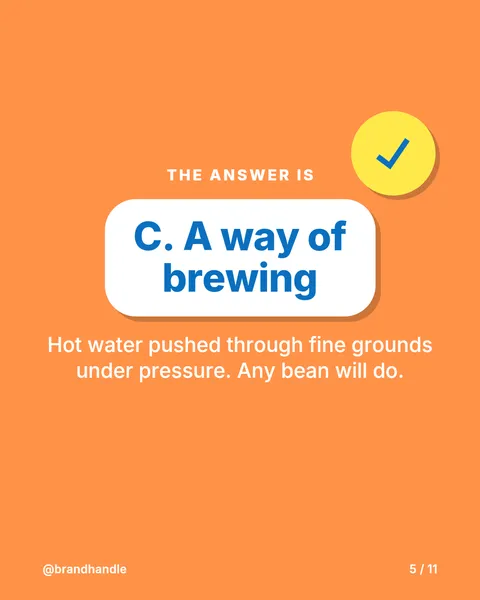


Quiz Time



News · Photo Explainer
Before you start
Do the slides promise detection rates?
No. The post teaches verification habits around payment-change requests. It makes no claims about detecting every fraudulent email or improving accuracy.
Is the example email a real one?
It is a written teaching example for the workshop. Swap in your own hypothetical scenario and keep the same annotations and checkpoints.